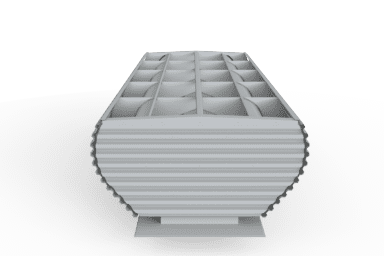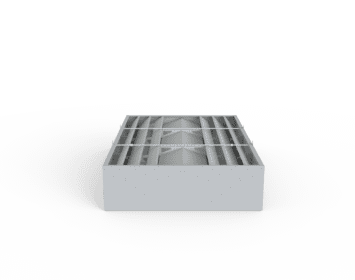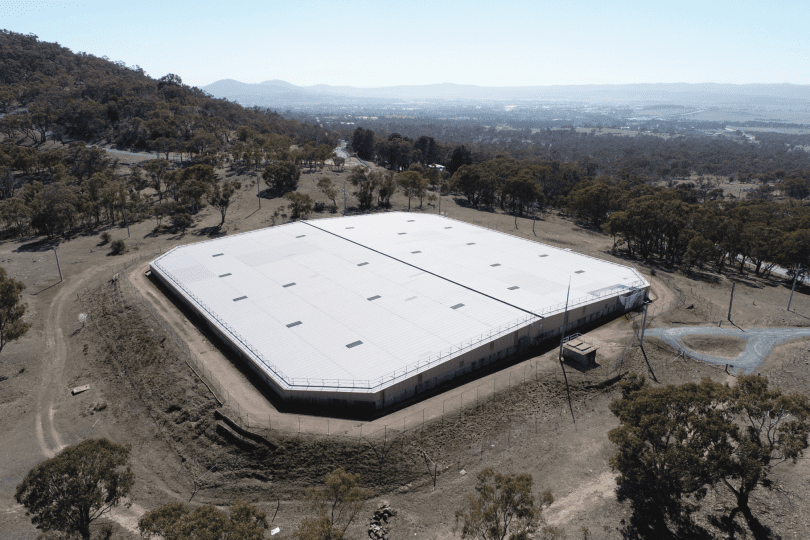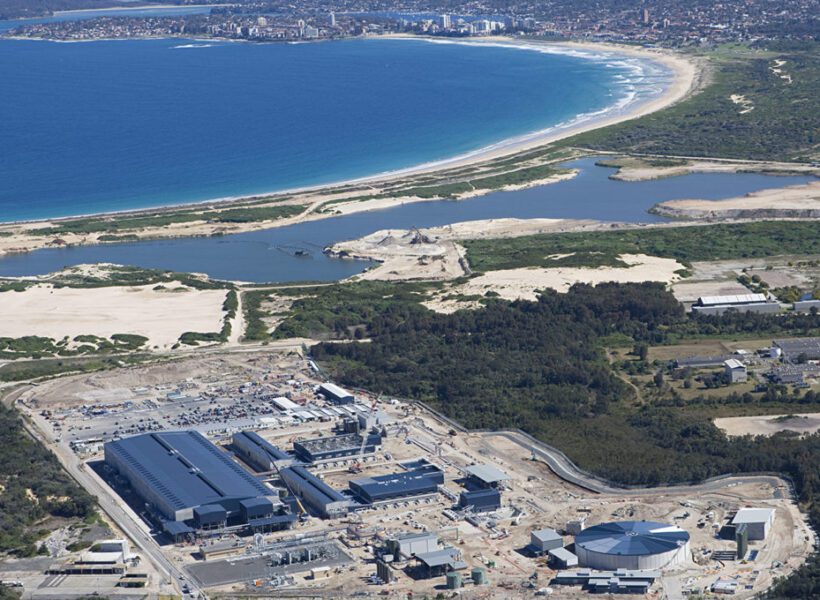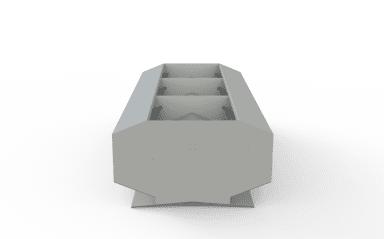
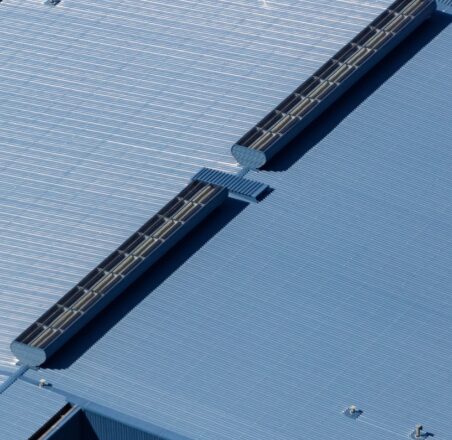
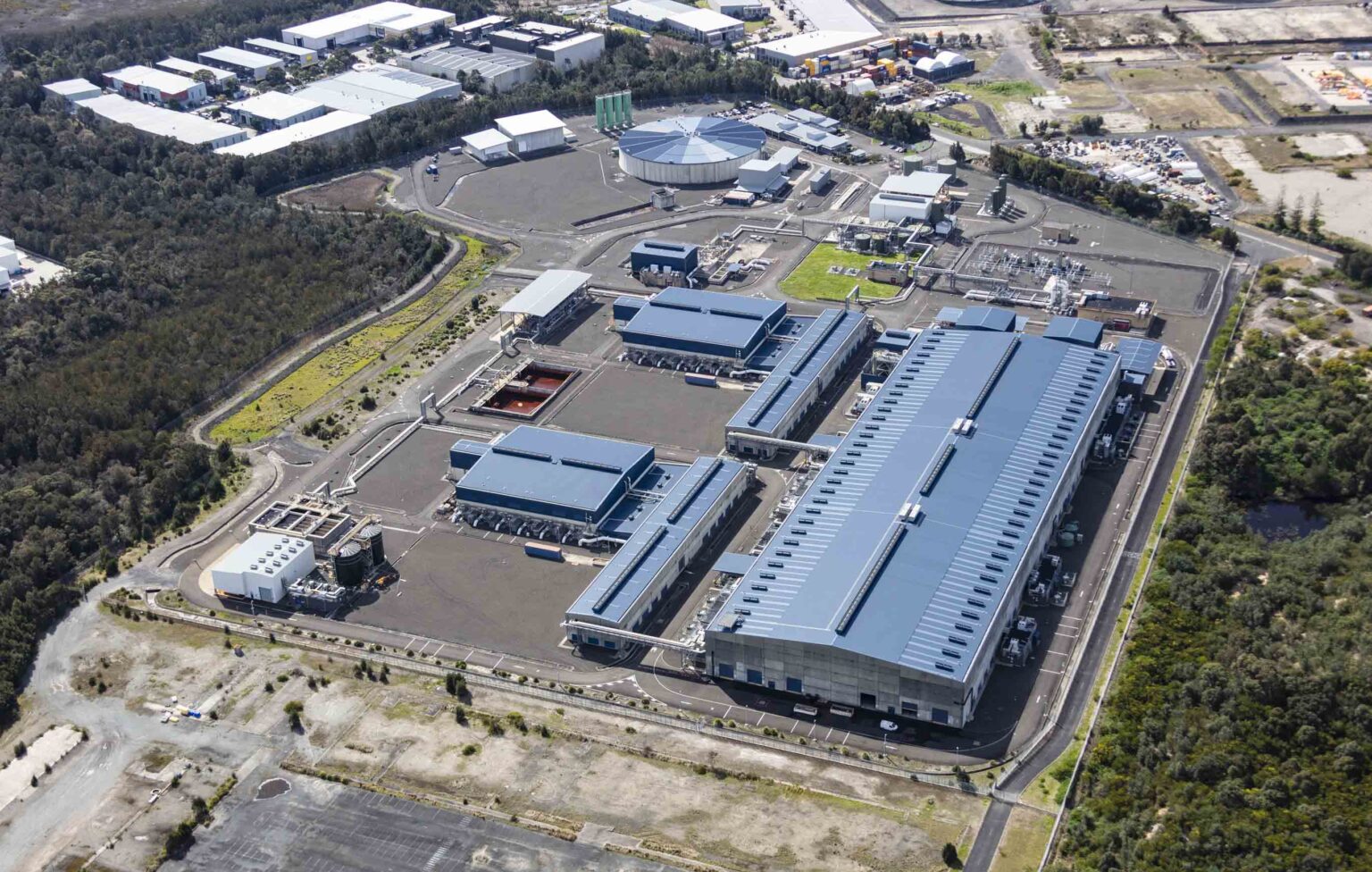
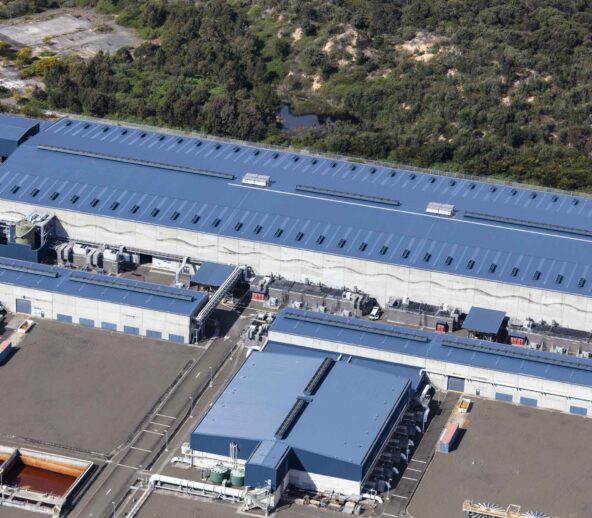
In water infrastructure facilities like a sewage treatment plant or water treatment plant, ventilation systems are crucial for the safety of both workers and the water supply. A functioning ventilation system will create airflow and remove harmful gases from treatment chemicals like chlorine and ammonia.
Our high-quality natural ventilation systems are built to last from chemical-resistant materials, ensuring efficient airflow while preventing water and worker contamination. Without proper ventilation, facilities risk poor working conditions and costly equipment failures.
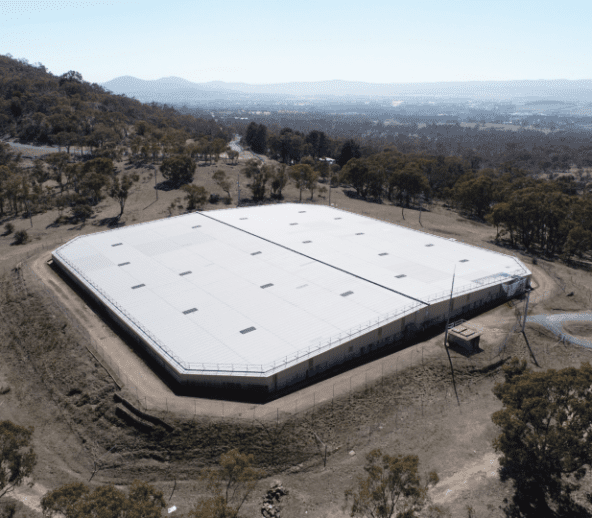
Australian Standards and safety regulations set clear requirements for ventilation in enclosed and confined workspaces, including natural ventilation performance, hazardous atmosphere control and emissions management.
Key frameworks include AS/NZS 1668.4:2024, the NCC ventilation provisions, Safe Work Australia’s Confined Spaces Code of Practice, EPA NSW guidelines and WHS Regulation 2017 (NSW).
Airocle designs its natural ventilation systems in accordance with these standards to support compliance, worker safety and reliable long-term operation.
NATA & CSIRO tested to AS2428 Australian Standards: Rain & Wind, Fire, and Airflow
Optimise constant airflow, removing excess heat loads through natural means to reduce building running costs & create a better working environment for building occupants.
Our systems are fitted with screening and design elements that block rodents, insects, birds and water ingress — protecting both your facility and the water inside from contamination and costly disruptions.
Our natural ventilation systems are backed by over 100 years of research, testing, and innovation — delivering reliable, long-term airflow solutions that have been proven across Australia’s most demanding building environments.
Airocle roof ventilation systems are engineered for flexibility, with customisable sizes, colours, and materials to suit your architectural vision. Whether integrated into new builds or retrofit projects, our natural ventilation solutions are tailored to perform, without compromising on design intent.
Airocle roof ventilation systems are designed for passive performance, reducing total energy consumption by eliminating the need for powered fans. This translates into lower operational costs and improved energy efficiency across the building’s lifecycle.
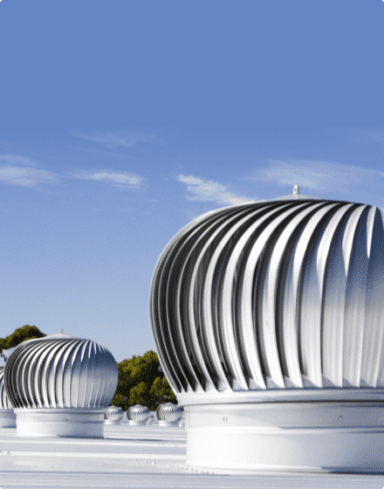
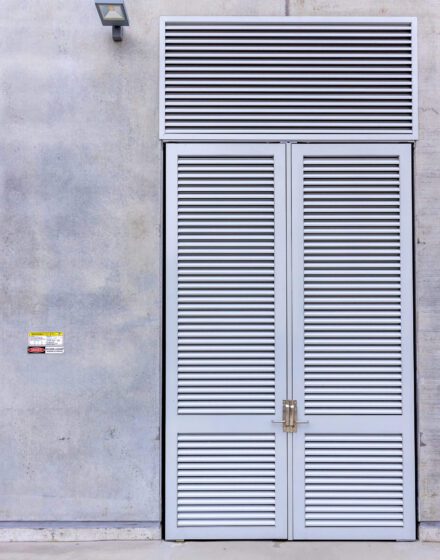
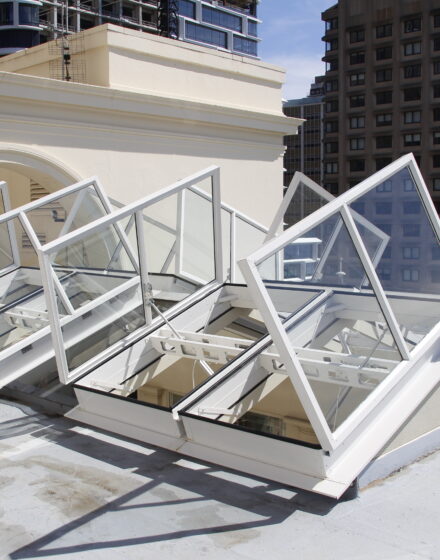
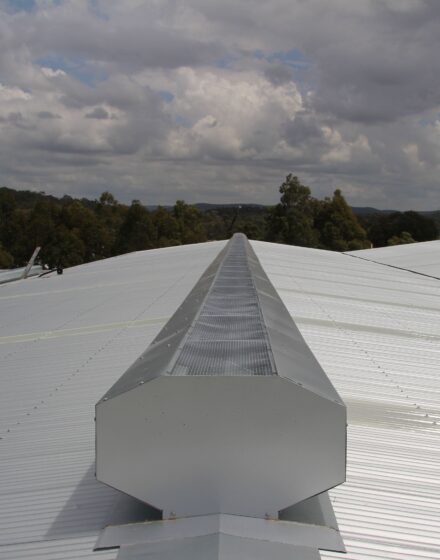
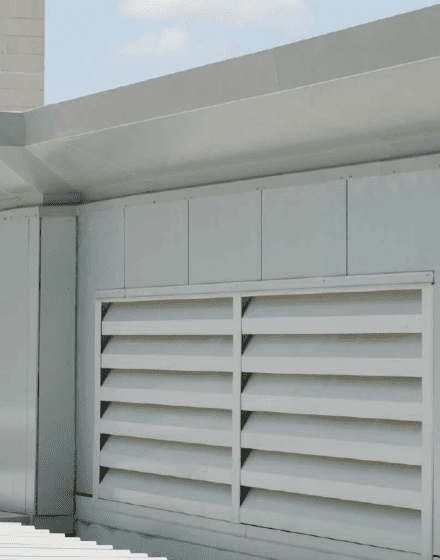
Natural ventilation typically involves simple systems and vents that use forces like wind and pressure to move air in water infrastructure. offering an efficient, low-cost and environmentally friendly method. However, performance can vary depending on environmental factors.
Mechanical ventilation uses powered fans to force air out at a more controlled and consistent rate, but with a higher cost of installation and ongoing energy expenses.
The best ventilation system for each facility varies depending on factors like the desired energy efficiency, the facility’s infrastructure and how crucial the need for consistent air exchange is.
The main Australian standards applying to water infrastructure ventilation include:
For specific systems, you may also need to consult the following standards:
To determine ventilation requirements for a water treatment facility, follow these steps:
1. Measure the space
Calculate the length × width × height to determine the total volume (in cubic metres).
Example: A 1000 m³ enclosed pump room or processing area.
2. Determine the required air changes per hour (ACH)
Water treatment environments require different ACH levels depending on the process and hazard level.
Typical ACH ranges include:
3–6 ACH → general plant halls or open processing areas
4–6 ACH → enclosed plant or pumping rooms
3–6 ACH → enclosed reservoirs (air space above water surface)
6–10 ACH → chemical dosing or odorous gas areas
10–12 ACH+ → confined or high-hazard zones (e.g., chlorine gas storage)
To maintain safe air quality and meet regulatory expectations, Airocle recommends ACH targets aligned with Safe Work Australia and NCC ventilation guidelines.
3. Calculate the required airflow
Use the formula:
Airflow (m³/h) = Room Volume (m³) × ACH
Or in cubic feet:
CFM = (Room Volume in ft³ × ACH) / 60
Example:
Room volume: 1000 m³
Target ACH: 6
Required airflow: 1000 × 6 = 6000 m³/h
This means the air within the space needs to be replaced six times per hour.
Maintenance for natural ventilation systems in water infrastructure includes regular visual inspections, cleaning key components like grills and actuators, and testing mechanical components (if the system has any).
Natural ventilation systems are typically low maintenance, but depending on the environment, they may need more maintenance to ensure airflow is free of debris and that there is no damage or dirt accumulation.
No, natural ventilation on its own is not enough to handle the corrosive environment of water treatment plants, as toxic gases, high humidity and condensation can make corrosion happen faster.
To effectively handle the harsher environment, natural ventilation in a water treatment plant needs to be designed with corrosion-resistant materials and complemented by a mechanical system made of equally resistant materials. In most cases, a hybrid system combining natural and mechanical elements is the best solution.
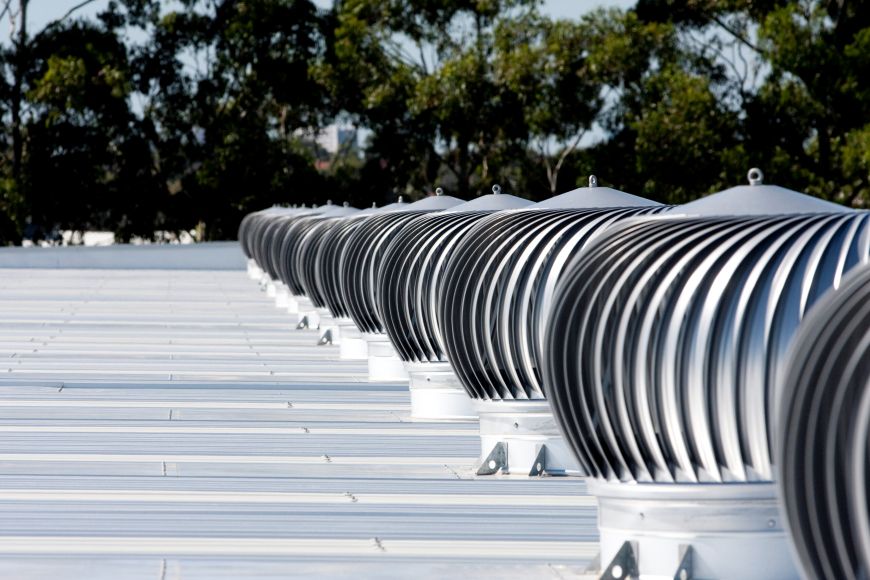
Explore how we can help you to improve your building comfort, smoke and fire safety, and green credentials today. We offer natural ventilation and passive smoke hazard management design advice. Call our team to arrange a site assessment
We are ISO certified. Our systems, processes, and procedures meet strict international standards, reassuring you of service excellence, quality, and consistency of our services and products no matter where you are located.