Katunga Fresh
Katunga Fresh
How Katunga Fresh Grew a Cleaner, Smarter Facility
When hydroponic grower Katunga Fresh expanded its tomato-processing operation with a brand-new Victorian facility, they had two non-negotiables: airtight compliance with fire and smoke-venting regulations (per AS 1668). By integrating purpose-designed wall-louvres and low-profile roof vents, we delivered a bespoke ventilation strategy that meets the 1.5 % open area requirement for smoke control, yet runs passively - meaning zero ongoing energy costs, minimal maintenance, and consistent airflow all year round.
-
LOCATIONKatunga VIC
-
INDUSTRYAgriculture & Horticulture
-
SOLUTIONA Series & 1 Series
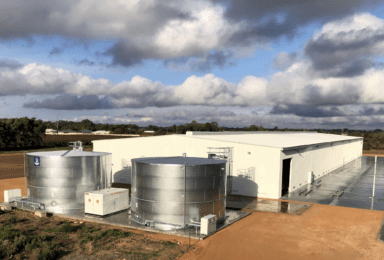
Image source: Steelcorp.com.au
KEY OUTCOMES
Project Highlights
Code-Compliant Design
Met AS 1668 1.5%
The total vent and louvre area was calculated to meet the 1.5% of floor area requirement under AS 1668, ensuring the building remained fully compliant without over-engineering.
Low Maintenance Construction
Designed for longevity in agricultural environments
Both the A and 1 Series products feature corrosion-resistant materials and minimal upkeep requirements, making them ideal for high-moisture and dust-prone facilities.
Dual Purpose
Ventilation & Smoke Control Combined
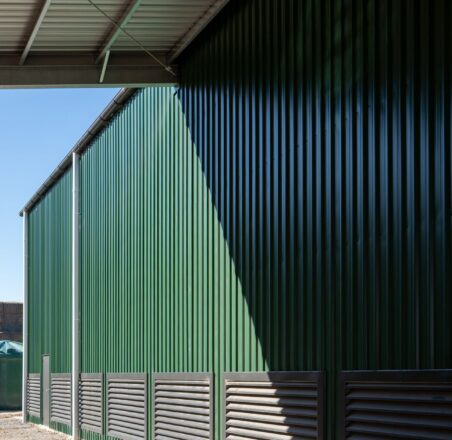
The 1 Series Roof Vents provide continuous airflow during normal operation and act as natural smoke outlets during emergencies, while the A Series Louvres supplied consistent crossflow ventilation at wall level.
Who is Katunga Fresh?
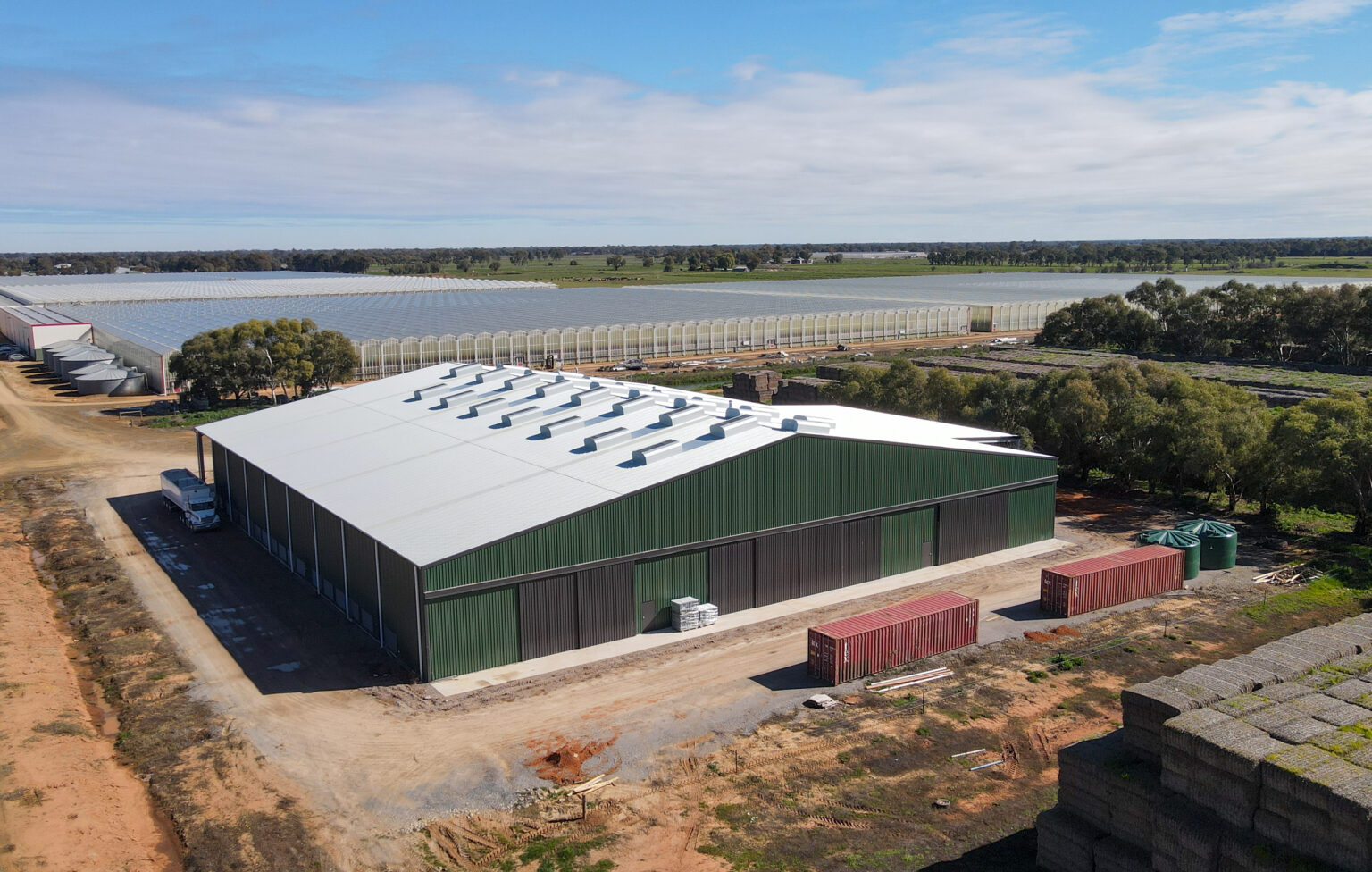
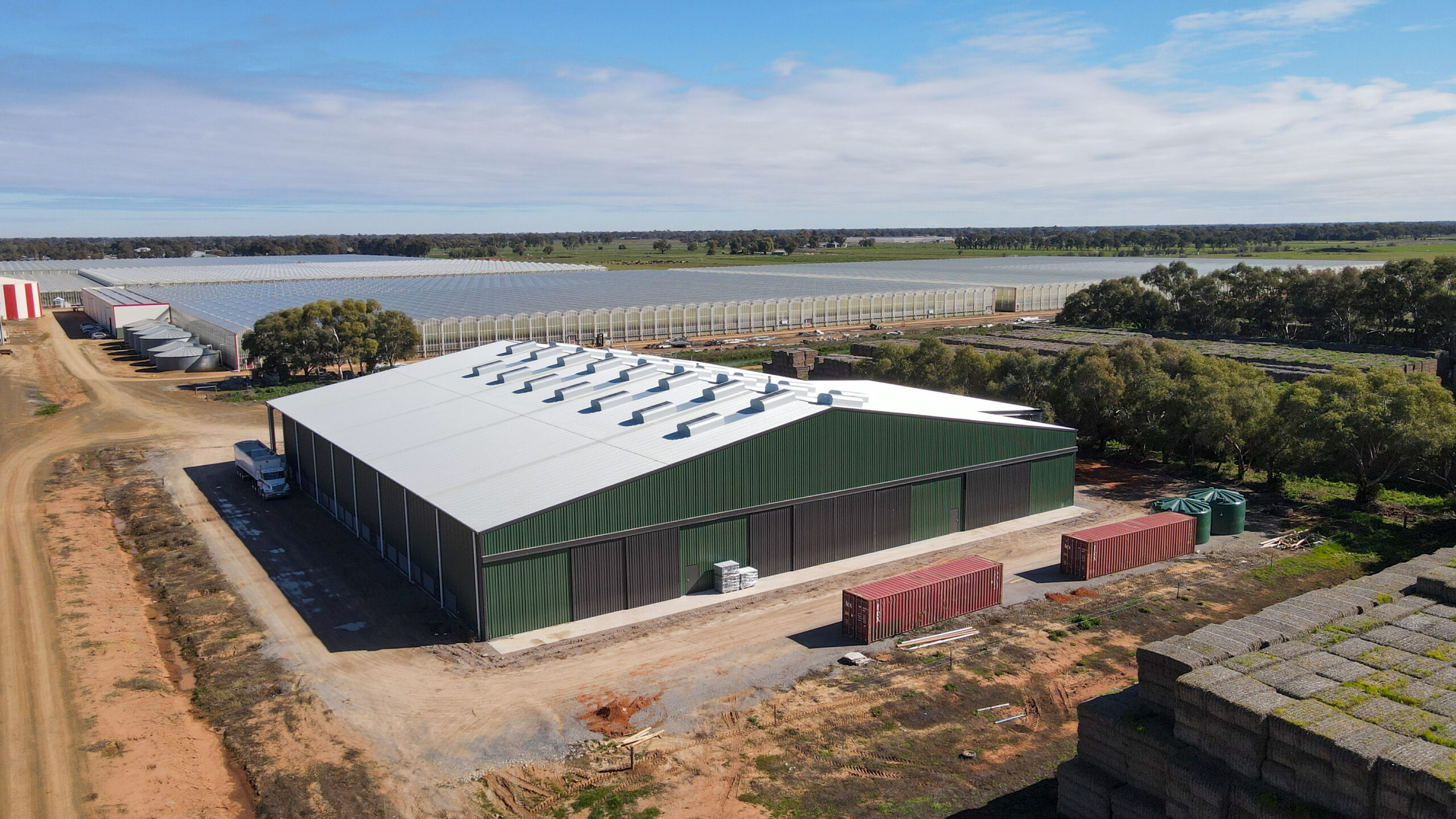
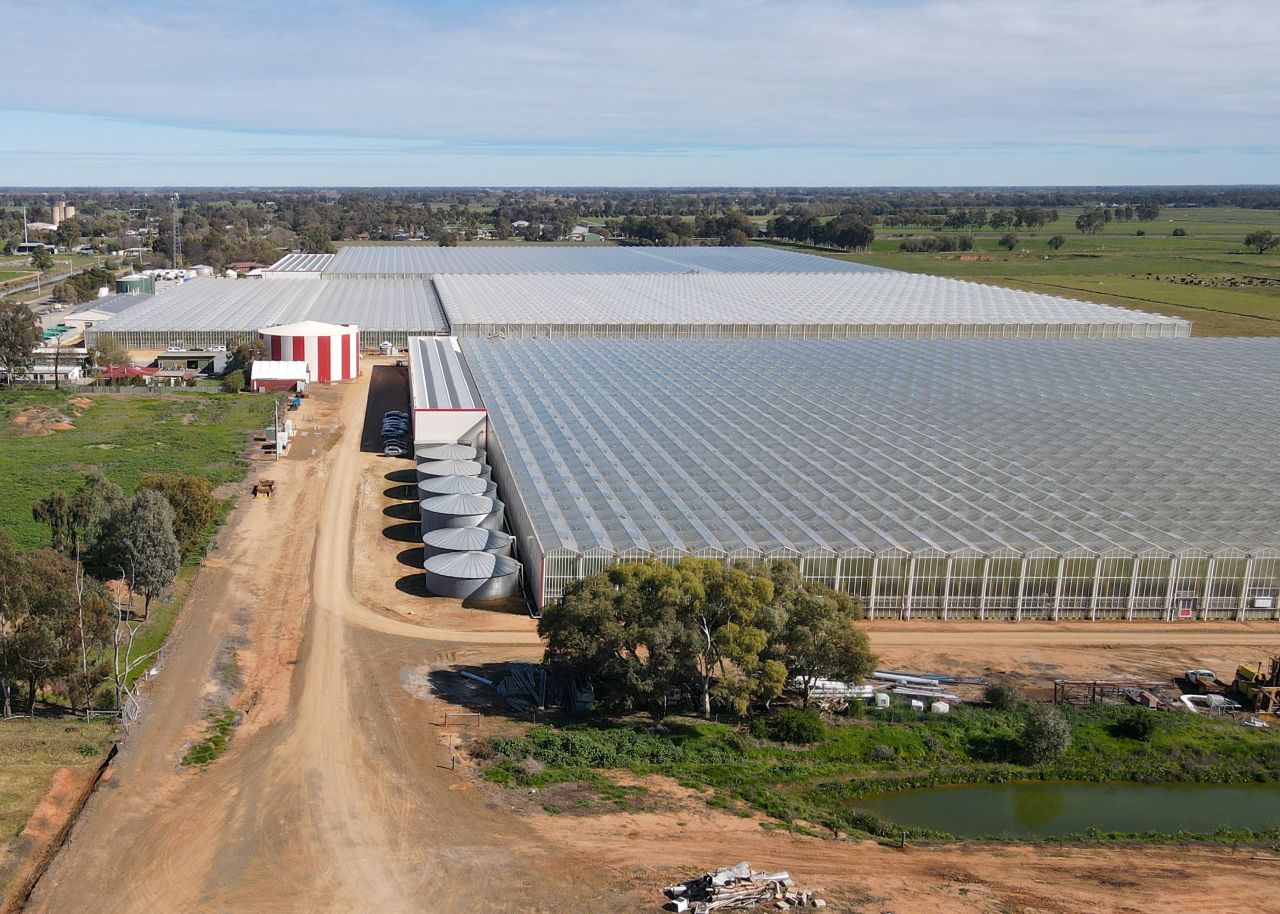
Katunga Fresh is one of Victoria’s largest hydroponic tomato producers, known for its high-quality produce grown in state-of-the-art glasshouses. As demand grew, the team expanded operations with a new processing facility in Katunga, built by Steelcorp.
The goal was to create a modern, efficient building that would protect both people and produce, while keeping energy use low and meeting strict fire and smoke-venting standards.
The Challenge
The new facility needed to achieve more than just airflow.
It had to:
- Comply with AS 1668 – Natural Smoke Venting, requiring openings equal to 1.5 % of the floor area
- Provide consistent natural ventilation for workers and equipment
- Integrate seamlessly with the building design , without relying on complex mechanical systems
In short, the system had to meet fire safety codes and maintain a comfortable, well-ventilated workspace every day, all while staying cost-effective and low maintenance.
GALLERY
Project Images
The Solution
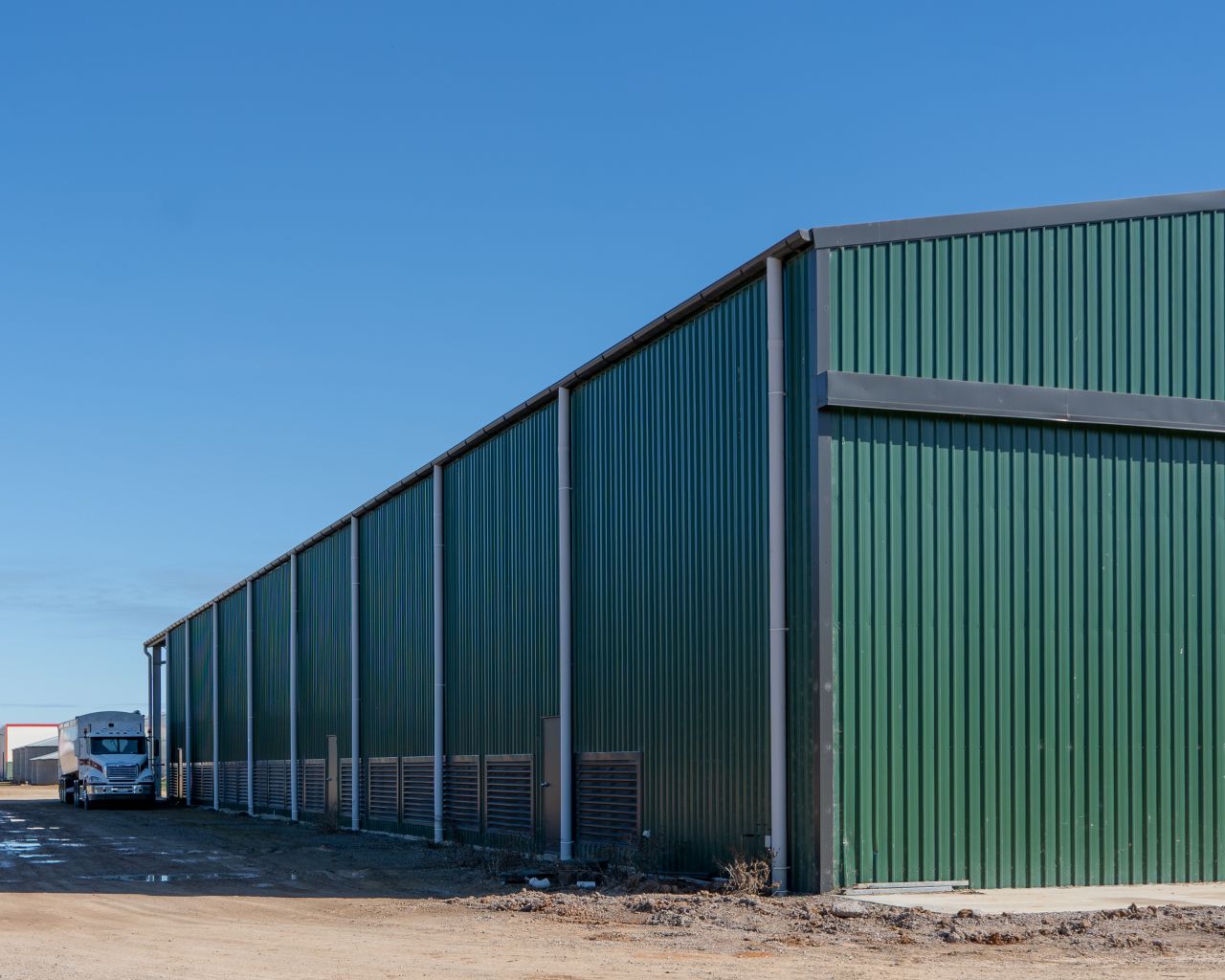
Working alongside Steelcorp’s design and construction team, we supplied and installed a complete natural ventilation system using A Series Wall Louvres and 1 Series Roof Vents, a purpose-designed combination that delivers both everyday airflow and smoke exhaust during fire events.
Here’s how it worked:
-
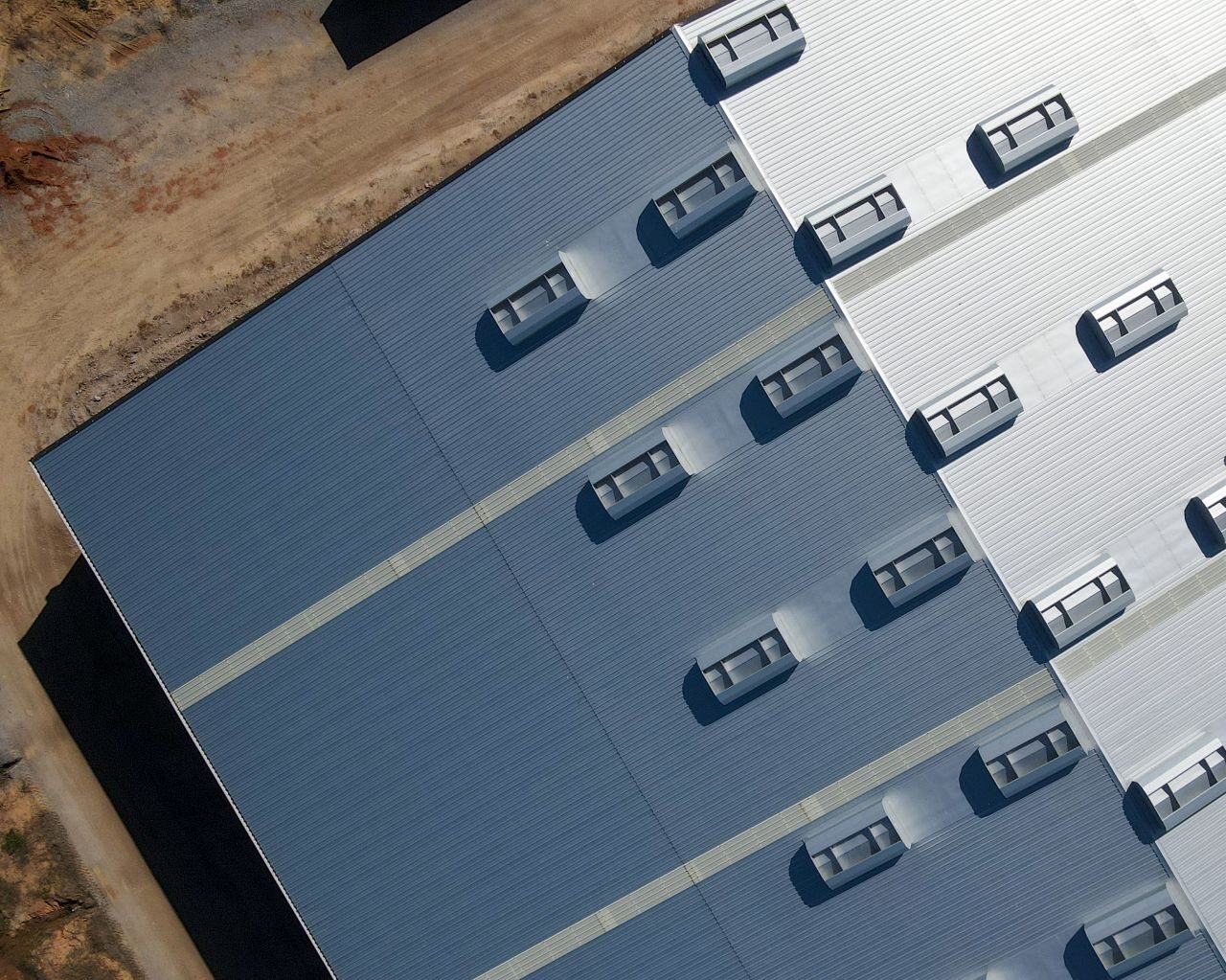
Ventilation + smoke control combined – The 1 Series Roof Vents were strategically positioned to provide continuous airflow during normal operation and act as natural smoke outlets during emergencies, while the A Series Louvres supplied consistent crossflow ventilation at wall level to promote even air distribution throughout the facility.
-
Code-compliant design – The total vent and louvre area was calculated to meet the 1.5% of floor area requirement under AS 1668, ensuring the building remained fully compliant without over-engineering.
-
Passive performance – With no reliance on power or filters, both systems operate quietly and efficiently, using natural buoyancy and wind effects to move air through the space.
-
Durable, low-maintenance construction – Designed for longevity in agricultural environments, both the A and 1 Series products feature corrosion-resistant materials and minimal upkeep requirements, making them ideal for high-moisture and dust-prone facilities.
The result was a balanced ventilation strategy that worked with the building, not against it, using natural airflow from wall to roof to maintain safe, comfortable, and stable conditions year-round.
Talk to an Engineer
If you’re planning a new build or upgrade, our team can show you how natural ventilation can improve comfort, compliance, and cost-efficiency, all without the complexity of mechanical systems.
Speak to an Airocle engineer for a site-specific design tailored to your building and airflow needs.