Case Study
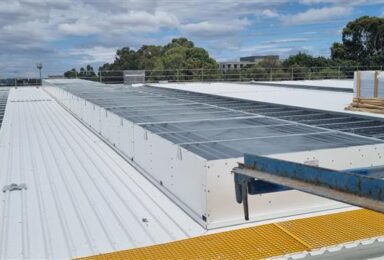
Airocle 4 Series Keeps Sportlink Vermont Safe and Compliant
Sportlink Vermont ensures fire safety compliance with 4 Series ventilators.
Read more
Hybrid Ventilation in Action
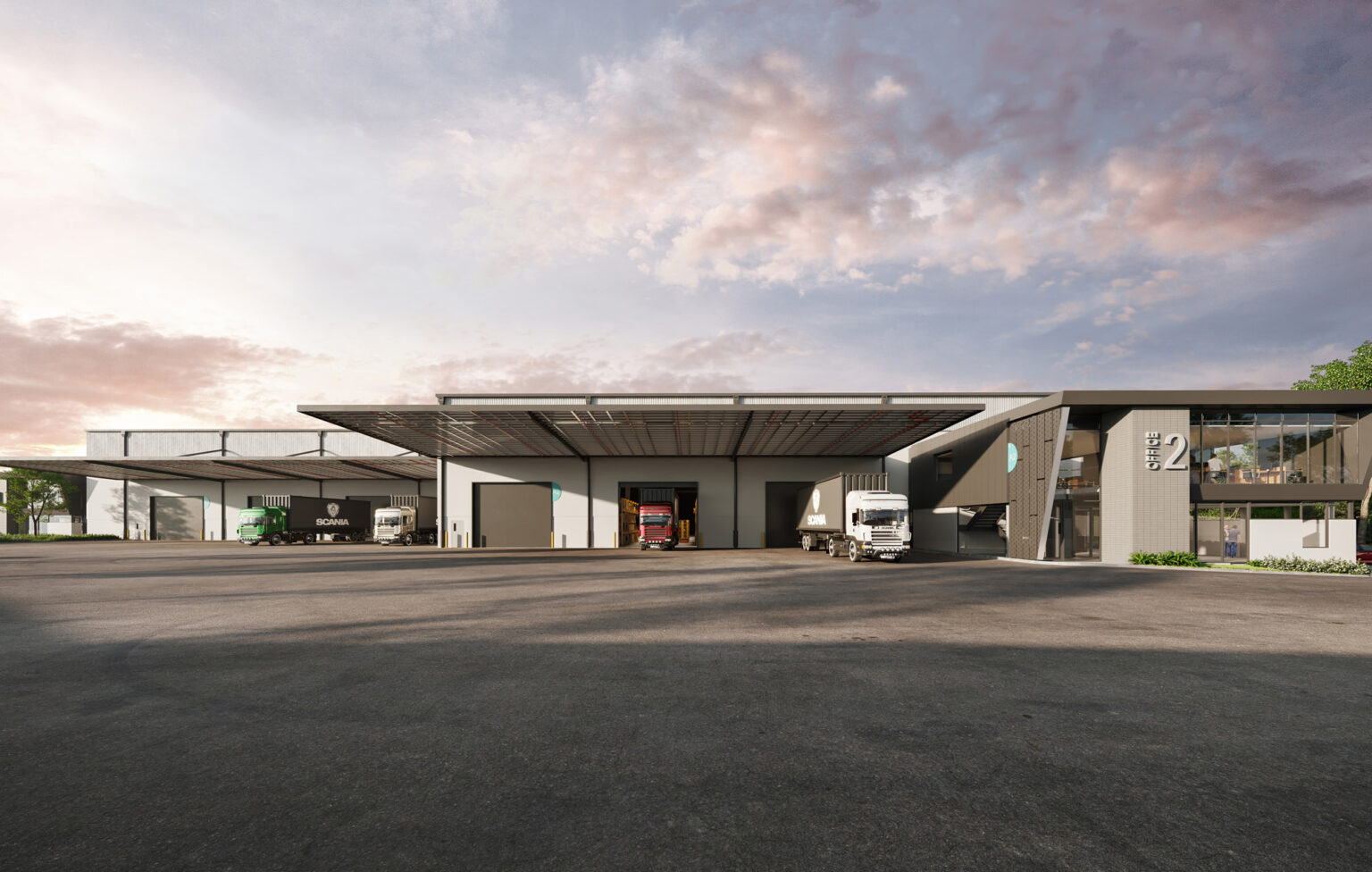
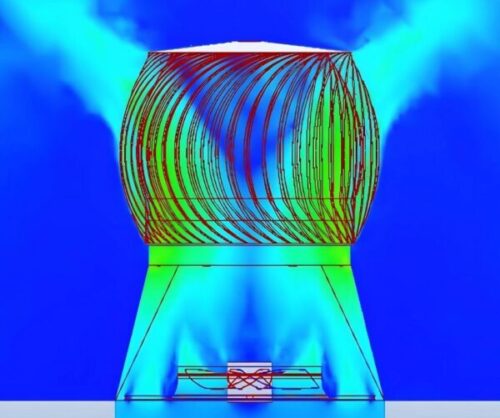
Airocle delivered a hybrid ventilation system combining natural airflow with targeted mechanical boost to manage heat and peak demand conditions at the Somersby facility. The solution operates passively day to day, with booster fans engaging only when required, reducing energy use while maintaining reliable ventilation performance.


KEY OUTCOMES
Boosted Performance When Needed
Flexible Ventilation for Peak Demands
Integrated booster fans activate only during peak demand (e.g. night purge or high heat loads), providing extra airflow without compromising natural ventilation performance.
Bushfire-Compliant Safety Measures
Built-In Ember Protection & Compliance
Each ventilator is fitted with fire-rated stainless-steel mesh to restrict ember entry, ensuring compliance with AS3959 for bushfire-prone areas while maintaining effective ventilation.
Lower Operating Costs & Energy Use
Efficient Ventilation with Reduced Power Demand
With natural ventilation as the default and mechanical extraction used only when necessary, the hybrid system significantly reduces electrical consumption and running costs versus full mechanical alternatives.
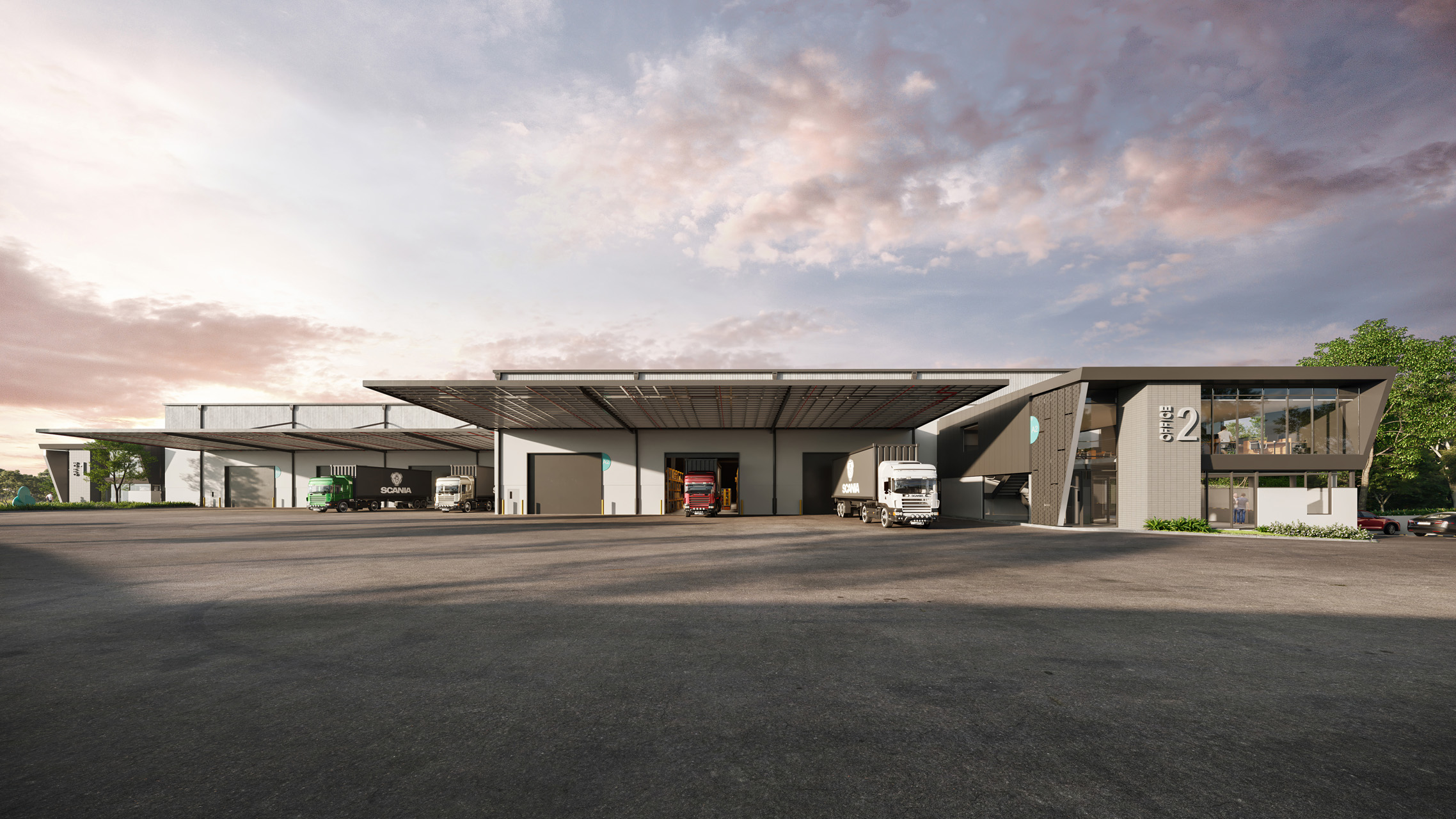
Skylife Somersby is a large-scale industrial development located in Somersby, NSW, comprising approximately 10,700 m² of floor area including multi-storey industrial buildings, a two-storey office wing, parking, and landscaping. The facility is designed to house a modern hatchery for The Cordina Group.
From the outset, the design required high standards of safety, quality, and environmental performance. One area of sustainability focus was building ventilation with efficient, healthy airflow throughout, especially in spaces with peaks in airflow demand (e.g. processing, night purge, etc.). Natural ventilation was chosen as the primary strategy, supplemented by mechanical extraction when required.
Conventional mechanical ventilation systems are expensive to run (high electricity usage) and require substantial maintenance.
Hybrid mechanical systems often compromise airflow when natural mode is used or place constraints on throat area, reducing performance.
The requirement was to achieve high airflow performance for peak periods (such as night purge, heat loads) while minimising running costs, environmental footprint, and complexity.
Being located in a bushfire-prone region, the project also needed to comply with stringent fire safety standards under AS3959.
GALLERY
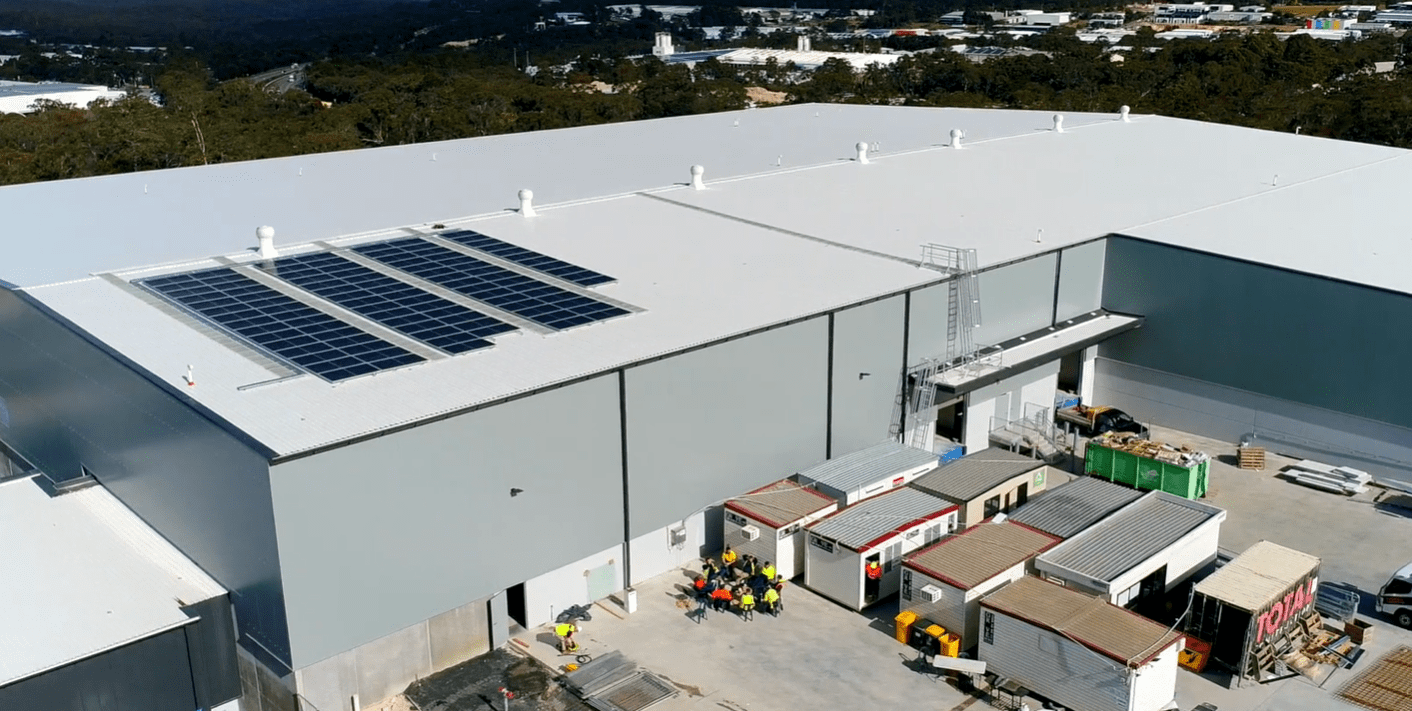
Airocle’s 5 Series Hybrid Ventilation System with Booster Fans was selected for Skylife Somersby.
Key features included:
Natural Ventilation as the Core: The system is designed to deliver superior airflow naturally, outperforming many purely mechanical systems in terms of air changes, ventilation efficiency and energy usage.
Booster Fans for Peak Demand: Booster fans are integrated in the transition base. When needed (night purging, heat loads), mechanical extraction can be activated to boost airflow without compromising the natural ventilation’s baseline performance.
Bushfire Protection Built In: Each ventilator throat was fitted with fire-rated protective stainless steel mesh (2 mm or less aperture) to restrict ember entry into roof spaces. This complies with AS3959 Construction of Buildings in Bush Fire Prone Areas, ensuring safety while maintaining corrosion resistance and ventilation performance.
Cost & Energy Efficiency: Using natural ventilation as the default significantly reduces net electrical consumption. Booster fans only operate during limited periods, which keeps running costs much lower than full mechanical ventilation.
Skylife Somersby is a great real-world example of how hybrid natural ventilation (using Airocle’s 5 Series with booster fans) can outperform standard mechanical ventilation—while being safer, more cost-effective, and more sustainable. For building designers considering ventilation strategies, this case proves that:
Natural ventilation can be the primary ventilation strategy without sacrificing performance.
Hybrid systems add flexibility while keeping costs down.
Integrated compliance measures, such as AS3959 bushfire-rated mesh, make hybrid ventilation suitable for even the most demanding environments.
Explore how we can help you to improve your building comfort, smoke and fire safety, and green credentials today. We offer natural ventilation and passive smoke hazard management design advice. Call our team to arrange a site assessment
We are ISO certified. Our systems, processes, and procedures meet strict international standards, reassuring you of service excellence, quality, and consistency of our services and products no matter where you are located.