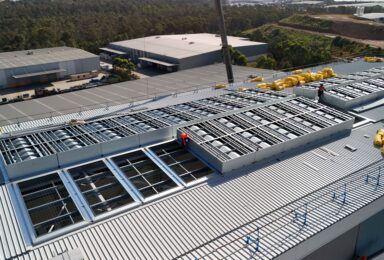
low profile roof vent

Warehouse Ventilation Fan Alternatives (Save Energy & Costs)

Warehouse Ventilation Fan Alternatives

Warehouse managers face many everyday ventilation challenges, from poor air quality and excessive heat to rising energy costs and strict compliance standards. At Airocle, we bring more than 47 years of experience in the ventilation industry, helping warehouses across Australia improve airflow, reduce running costs, protect inventory, and create safer, more comfortable spaces for workers.

In this guide, we’ll give you a clear overview of warehouse ventilation and the key alternatives available, along with practical solutions to support efficiency, compliance, and long-term sustainability.

Key Takeaways

  • Natural warehouse ventilation uses little to no grid power. 
  • Most Australian warehouses don’t need complex systems.
  • Mechanical fans are more expensive to run, clean and maintain.
  • If your warehouse does need a mechanical fan, you can still save energy costs by using a hybrid system. 
  • A professional installer can ensure you don’t run into further problems down the line.
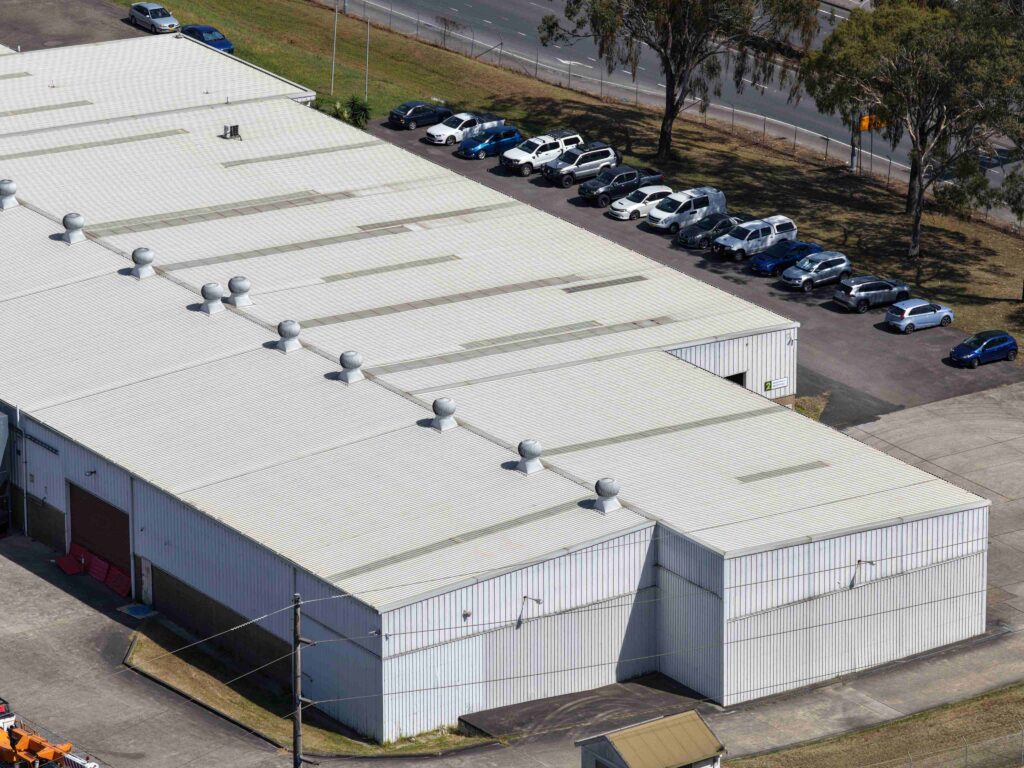
5 series rotary vent
Airocle 5 Series

Do Warehouse Exhaust Fans Work? Understanding Your Ventilation Options

A warehouse ventilation fan is a large mechanical fan used in industrial and commercial facilities to improve air quality, regulate temperature and manage moisture levels. These fans work by pulling hot, stale or contaminated air out of the building.

However, for this extraction to create proper air exchange, the building still needs a source of replacement air, usually through louvres, windows or doors. Without a dedicated opening to let fresh air in, the fan can struggle against negative pressure and airflow becomes restricted.

Mechanical ventilation systems use power to drive this extraction, while natural ventilation systems rely on wind and thermal buoyancy to move fresh air in and out without mechanical assistance. The right system depends entirely on the warehouse’s design, purpose and internal conditions. A refrigerated cool room, for example, has very different ventilation needs compared to a general storage space.

Most Australian warehouses don’t require complex mechanical setups unless the building is tightly sealed or is exposed to external pollutants. In many cases, natural ventilation remains a cost-effective way to maintain safe, reliable airflow.


How Warehouse Ventilation Systems Work

Natural warehouse ventilation uses vents that harness the wind or the ‘stack effect’ to bring in fresh air while expelling stale, hot air. Wind creates pressure differences that force air through the building, while the ‘stack effect’ ensures that warm air rises while cool air enters and falls to the lower levels.
Through this process, your warehouse can eliminate fans and motors, reducing energy consumption and
operating costs

A mechanical ventilation system works by using industrial fans to actively move stale air from inside a building, instead of using wind or thermal buoyancy. While this means that a mechanical system will not be affected by weather or wind conditions, it also means the warehouse must use more power to ensure proper airflow.

A mechanical ventilation system must comply with AS 1668.2 and relevant parts of the National Construction Code (NCC), including minimum outdoor air-volume requirements and exhaust performance criteria

Exactly which ventilation system is the best choice depends on your warehouse. Australian areas with consistent weather, dry climates and natural temperature swings are ideal for a natural ventilation system.
Tall warehouses with high roofs or openings are also perfect for natural ventilation, as it helps the stack effect become more efficient. Shorter warehouses in humid locations may benefit more from mechanical systems, especially if the space has fewer windows or openings.

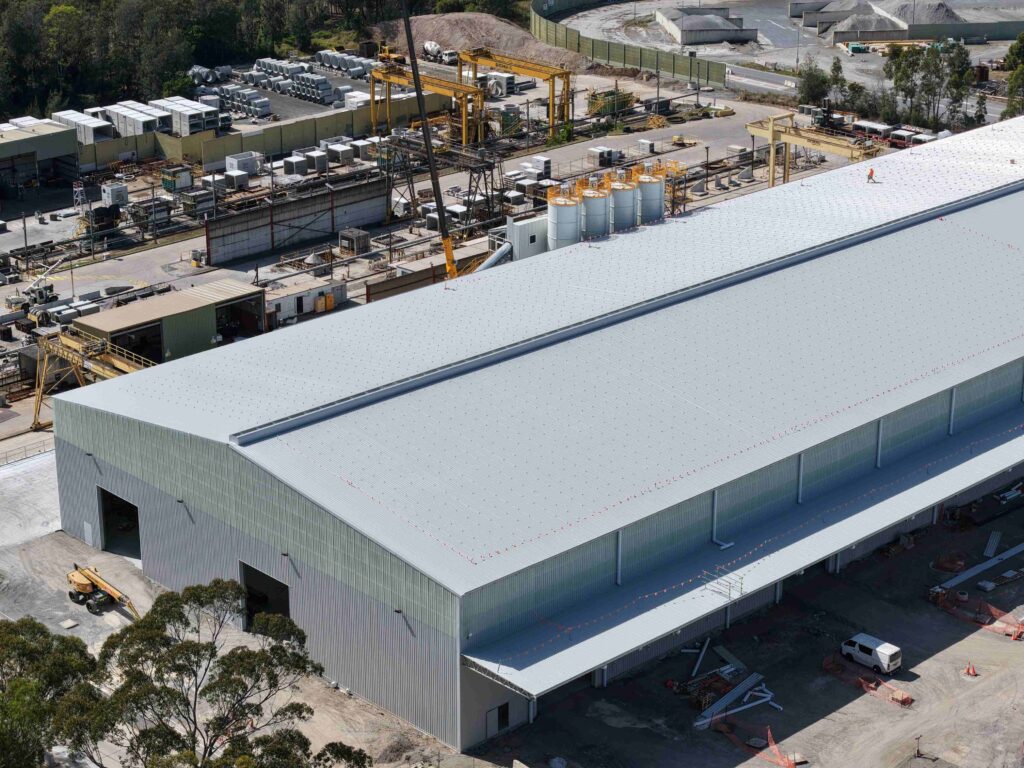
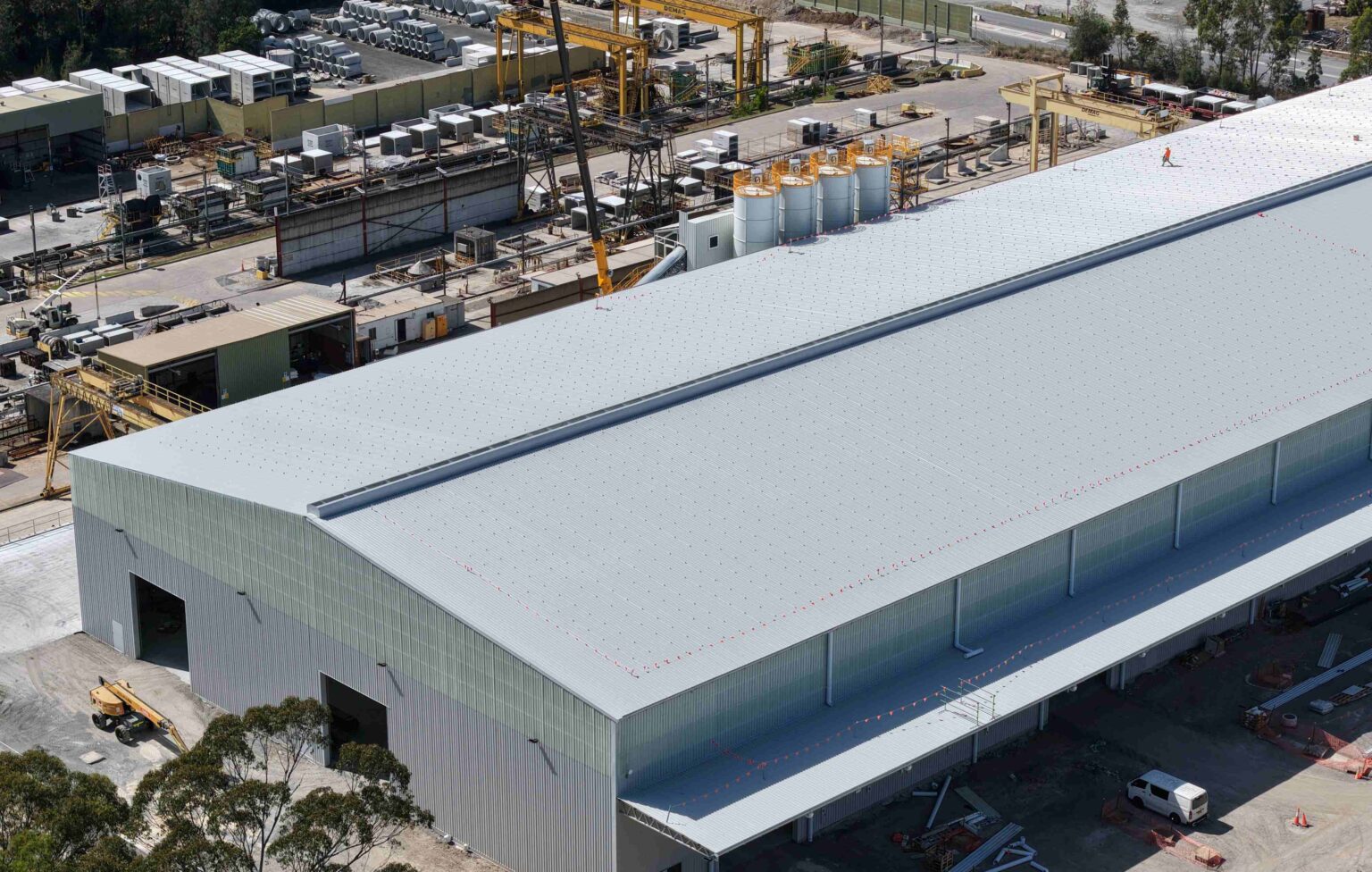
Airocle's 1 Series installed on Humes new facility

What Are the Ventilation Systems For Warehouses?

Warehouse ventilation systems use natural, mechanical or hybrid methods to control air quality, temperature and humidity.  The following are the ventilation systems most commonly used for warehouses:

  • Ridge ventilation and natural roof ventilation: These systems use no electric power and contain no moving parts, meaning Airocle-engineered roof ventilators can operate reliably for decades with minimal maintenance.
  • Industrial exhaust fans: This mechanical ventilation system uses a heavy-duty fan to maintain air quality, control temperatures and ensure safety in warehouses. As a fan that continually needs to be on to create a healthy environment, this system should mainly be used if natural ventilation is incompatible with the warehouse or there is no need for air exchange. 
  • Hybrid systems: A hybrid system blends natural ventilation with targeted mechanical support. Most of the time it operates using energy-efficient natural airflow, with mechanical assistance, such as our 5 Series Hybrid, available when additional extraction is needed
  • High Volume Low Speed fans (HVLS):HVLS fans circulate air effectively across large open spaces, but they do not remove heat; they redistribute it. When combined with passive vents, they can increase cooling efficiency.

Explore Our Product Range Here


Natural Ventilation: The Smart Choice for Most Warehouses

Many Australian warehouses can maintain safe airflow without fully engineered mechanical systems, depending on layout, heat load, and inventory type. 

Natural ventilation is powered by wind and thermal buoyancy, meaning it uses little to no electricity. A natural ventilation system that performs as needed can be ensured with a professional installation service. 

Despite its simplicity, natural ventilation is highly effective, and able to cool down a high-ceiling warehouse without needing power or human interference. The system also has fewer expensive components and needs much less maintenance, making it the smart choice for most Australian warehouses.

As natural ventilation doesn’t use any electricity, your warehouse could see 20-30% lower energy consumption and carbon emissions. The system also needs fewer repairs and less maintenance due to its simple, but effective design.  However, it should be noted that refrigerated warehouses and other specific storage spaces may need more specialised ventilation options. 

Airocle ventilators are engineered for Australian weather conditions, including rain and high-wind scenarios. Their design supports airflow while preventing water ingress into the building.

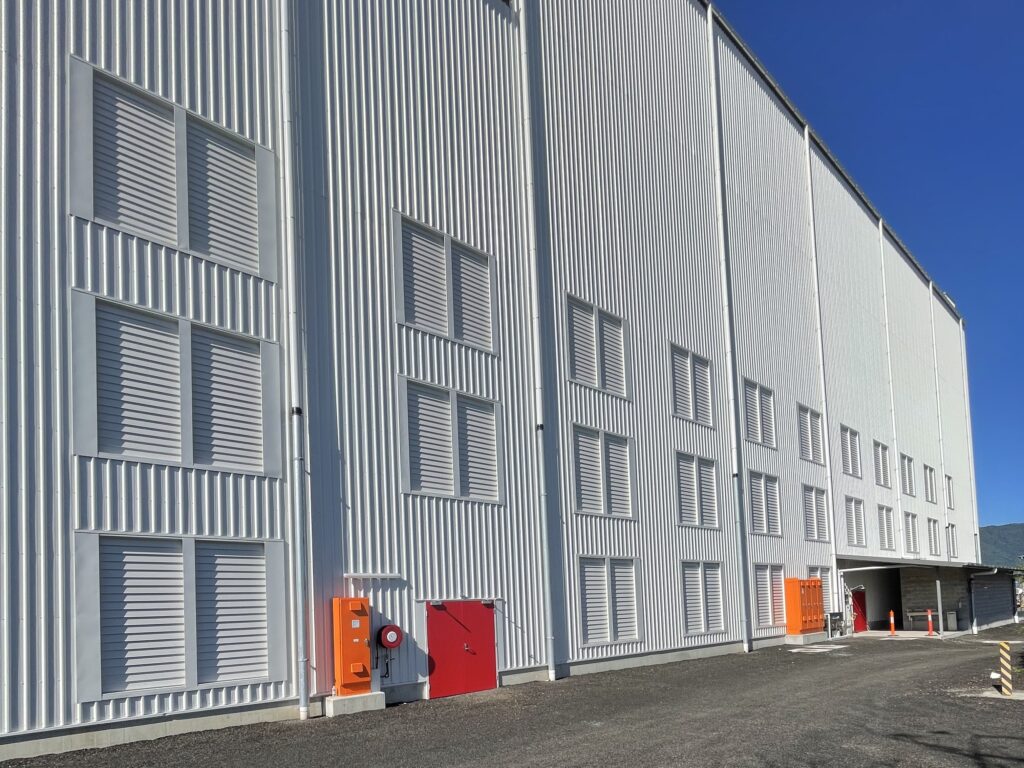
Operable Louvres
Airocle's Operable Louvres installed for Norship QLD

When to Use Hybrid Ventilation Systems

Hybrid ventilation is the right choice when your facility needs stronger, more controlled extraction than natural airflow alone can provide.

In most warehouses, natural ventilation handles day-to-day airflow with no issues. But certain activities — especially welding, cutting, soldering or any process that produces fumes or contaminants — require guaranteed extraction rates. This is where Airocle’s 5 Series with an integrated booster fan provides targeted extraction capacity when passive airflow is not sufficient.

During winter, buoyancy naturally decreases, meaning hot air doesn’t rise as strongly. For fume-heavy environments, this drop can make it harder for a passive system to achieve the required uplift on its own. A hybrid setup solves this by switching on mechanical assistance only when needed, ensuring fumes are safely exhausted and compliance targets are met year-round.

If you’re deciding whether hybrid is the right fit, consider these questions:

Do you have welding bays or fume-generating tasks that require consistent, controlled extraction?
Are you operating in colder months where reduced buoyancy affects airflow performance?
Do your compliance requirements specify guaranteed extraction rates regardless of external conditions?

If any of these apply, a hybrid 5 Series solution may be the ideal approach.

Airocle’s engineering team can design a system tailored to your site, giving you reliable fume extraction, minimal energy use, and confidence that your airflow meets requirements in every season.


Preventing Warehouse Problems: Condensation, Heat, and Air Quality Issues

Poor ventilation is more than a basic comfort issue. It can directly damage your stock and erode the efficiency of your warehouse. Condensation ruins electronics, mould grows on packaging, and valuable perishable inventory degrades faster than expected. Staff working in stuffy, overheated spaces lose focus and productivity.

Proper ventilation systems are designed to stop these problems before they begin. By keeping air moving, you avoid moisture build-up and heat pockets that damage goods. Workers stay healthier and safer in a space where air quality meets Australian workplace standards.

Consider the difference: a poorly ventilated warehouse risks insurance claims, wasted stock, and unsafe staff, while a well-ventilated one protects assets, people, and compliance.

The exact solution will depend on the unique characteristics and demands of each facility, but the underlying principle is the same. Airflow equals protection.
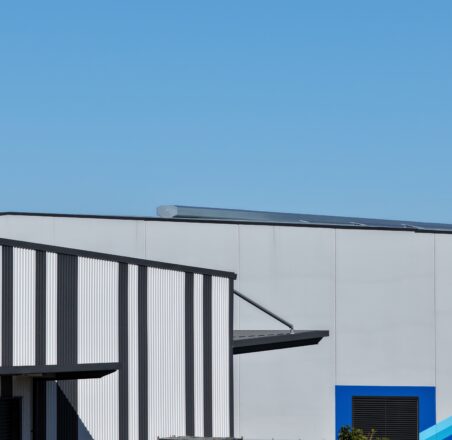
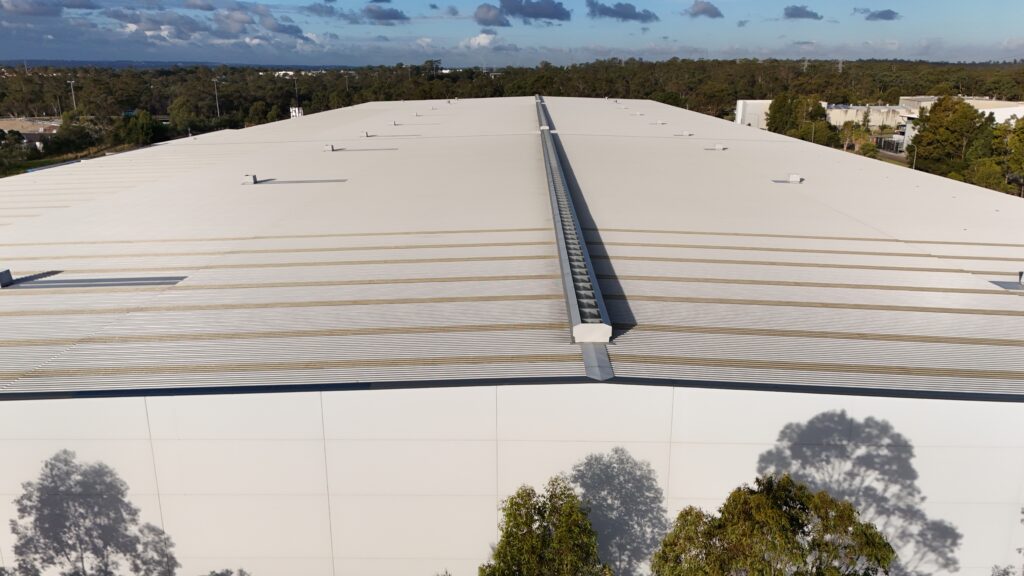
Airocle 2 Series
Airocle's 2 Series installed for Mobis Hyundai NSW

Design Considerations for Warehouse Ventilation Systems

Designing the right ventilation system starts with understanding your building. Here are some of the most important factors to consider:

  • Building size: Larger warehouses need more intake and exhaust points to achieve consistent airflow. Seasonal changes will have a greater impact, too.
  • Roof height: Taller roofs boost the efficiency of natural ventilation and HVLS fans by improving the stack effect.
  • Occupancy: The number of workers influences air quality needs and determines which workplace health rules apply.
  • Heat sources: Machinery or nearby industrial heat can create hotspots that must be factored into the design.
  • Stored goods: Electronics, textiles, or food products all demand different levels of airflow and humidity control.

Equally important is knowing what to avoid. One of the most common mistakes is underestimating airflow needs, which can leave a system undersized and ineffective. Poor fan placement or too few exhaust openings can create pockets of stagnant air and rising heat. Failing to account for your warehouse’s unique hazards, such as stored chemicals or sensitive goods, can also result in a wasted investment and ongoing operational issues.

An effective design balances intake and exhaust, and accounts for Australian seasonal conditions.
Airocle’s team can map out airflow patterns and create a bespoke system that delivers a reliable performance year after year.


Cost Analysis: Natural vs Mechanical Warehouse Ventilation

Every facilities manager must weigh cost against performance. Natural systems usually involve lower upfront costs, especially for ridge vents and roof ventilators, while creating a system with mechanical fans and HVAC can be a far more capital-intensive process.

Operationally, the difference in cost is significant and can add up over time. Natural systems use almost no electricity, while mechanical fans run off grid power whenever they are being used. That means higher energy bills. Because mechanical systems have more moving and electronic parts, they often need frequent servicing, which is another ongoing cost. Over ten years, the savings from natural ventilation can be significant.

Hybrid systems often strike the right balance, offering natural efficiency for daily operations with mechanical backup when needed. In practice, this lowers energy use while still meeting your warehouse’s needs and industry standards.

For a clearer view, consider the total cost of ownership. Natural ventilation reduces both running costs and repair cycles, leading to a stronger long-term ROI.

Facilities that transition to natural or hybrid systems commonly report long-term reductions in energy use, often in the range of 20–30%, depending on heat load, climate, and operational hours.


System Type Upfront Costs Operating Costs Maintenance Needs ROI Potential
Natural Low–Medium Very Low Minimal High
Mechanical Medium–High High Frequent Low
Hybrid Medium Moderate Moderate Medium–High

Warehouse Ventilation Fans: Installation & Maintenance Best Practices

A well-designed system can only perform at an optimal level if it is properly installed. Professional installation ensures that intake and exhaust points are balanced, roof vents are positioned in the ideal locations, and fans operate at their full efficiency.

Once installed, maintenance is minimal. Natural systems only require routine visual checks to ensure openings remain clear of debris or obstructions, and that smoke and fire vents are operating as intended. Mechanical fans require cleaning, servicing, and periodic replacement of moving parts. Hybrid systems combine both, but proper design and installation can minimise the need for repairs.

Common issues like uneven airflow or spikes in humidity are often the result of poor installation or neglected maintenance. Regular inspections can prevent these setbacks and help to extend the lifespan of your investment. 

Retrofitting older warehouses with new ventilation systems is also possible, provided the design accounts for the building’s layout and compliance standards.

Airocle offers professional installation and ongoing maintenance services to keep systems running at peak efficiency. This removes guesswork and gives facilities managers full confidence in the long-term performance of their ventilation system.


Get the Right Warehouse Ventilation Solution for Your Facility

Choosing the right ventilation system is about protecting stock, supporting staff, and controlling your day-to-day costs. Most warehouses in Australia achieve all three through natural ventilation, while hybrid solutions provide extra protection for facilities with more complex requirements.

With more than 47 years of research, testing, and innovation, Airocle is trusted across Australia to deliver warehouse ventilation that performs to the highest standard. From consultation to installation and ongoing maintenance, we deliver ventilation systems and support that cut energy costs, safeguard inventory, and keep your warehouse fully compliant.

Book a free ventilation assessment with an Airocle engineer. We’ll review your warehouse layout, heat sources, compliance requirements, and airflow volumes, then design a tailored system that improves conditions while reducing ongoing operating costs.

Product Enquiry

We are ISO certified. Our systems, processes, and procedures meet strict international standards, reassuring you of service excellence, quality, and consistency of our services and products no matter where you are located.