Blog
Fire-Rated Louvres and Smoke Vents for Industrial Buildings
Explore how fire louvres and smoke vents protect buildings and workers
Read more
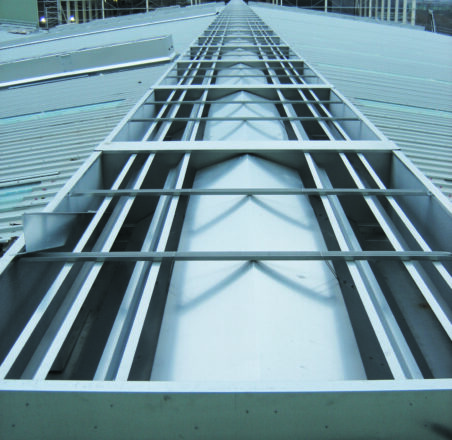
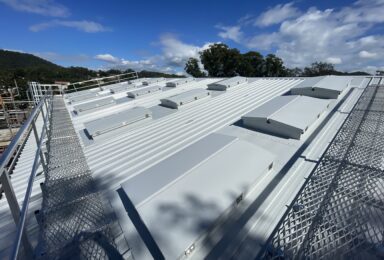
You want to specify natural ventilation but in the back of your mind there’s one concern that won’t go away:
“What if it leaks?”
You’ve either seen it happen before or heard the stories. A roof vent that looks great on paper gets installed and then lets in water at the first sign of wind-driven rain. Suddenly you’re facing reputational risk, delays or worse, a certifier who potentially won’t sign off.
It’s frustrating because natural ventilation should be the obvious sustainable choice. But one leak and the entire concept gets blamed.
Here’s the truth. Water ingress isn’t a flaw in natural ventilation. It’s a flaw in design and engineering.
You’re about to learn what actually causes roof vents to leak, how to fix it with smart engineering, and what you need to design confidently so you can stop worrying about leakage and start creating high-performance buildings that get certified.
Static roof vents often make their way into early design consideration. On paper, they tick all the boxes for sustainability, airflow and simplicity. But when they allegedly leak, the potential consequences could be immediate and lasting.
Designers get pushback from clients, builders and certifiers. The vent becomes a liability. Even if the water ingress is minor, trust is broken. And once that happens, architects are unlikely to specify that product again.
The issue doesn’t stay isolated either. It creates a ripple effect. Natural ventilation starts to get a bad name as unreliable or high risk. It becomes easier to default back to mechanical systems, even when they are more expensive and less sustainable.
The result is a cautious mindset. Even when natural ventilation is the right choice for the project, the fear of water ingress is enough to steer the design in a different direction.
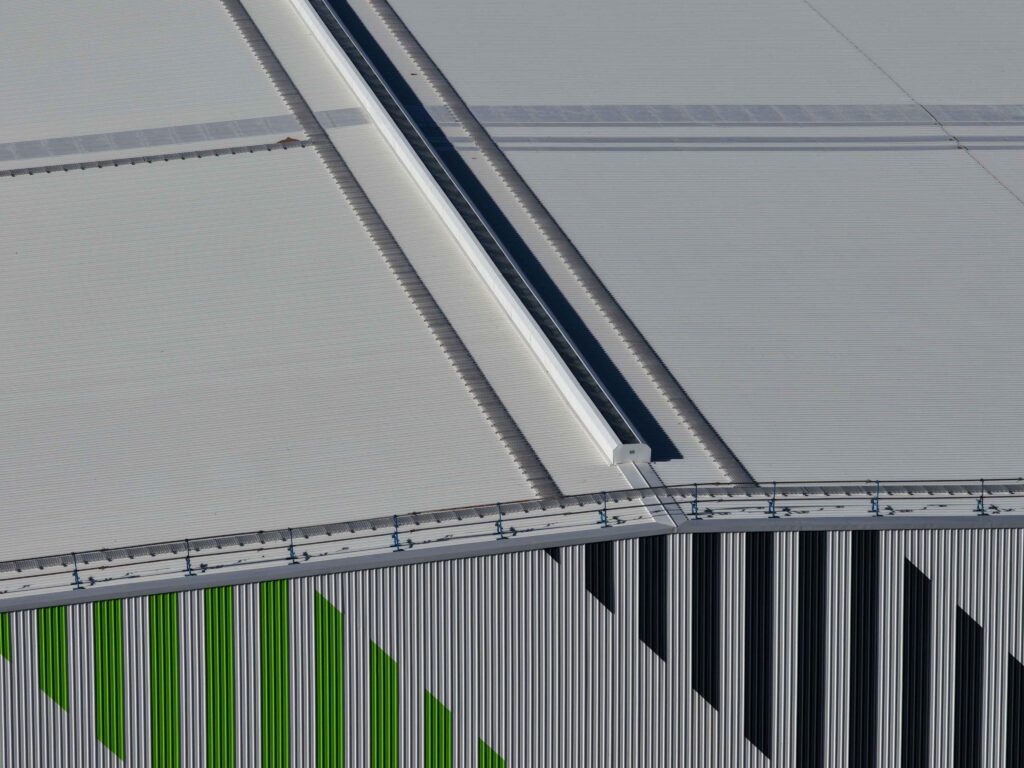
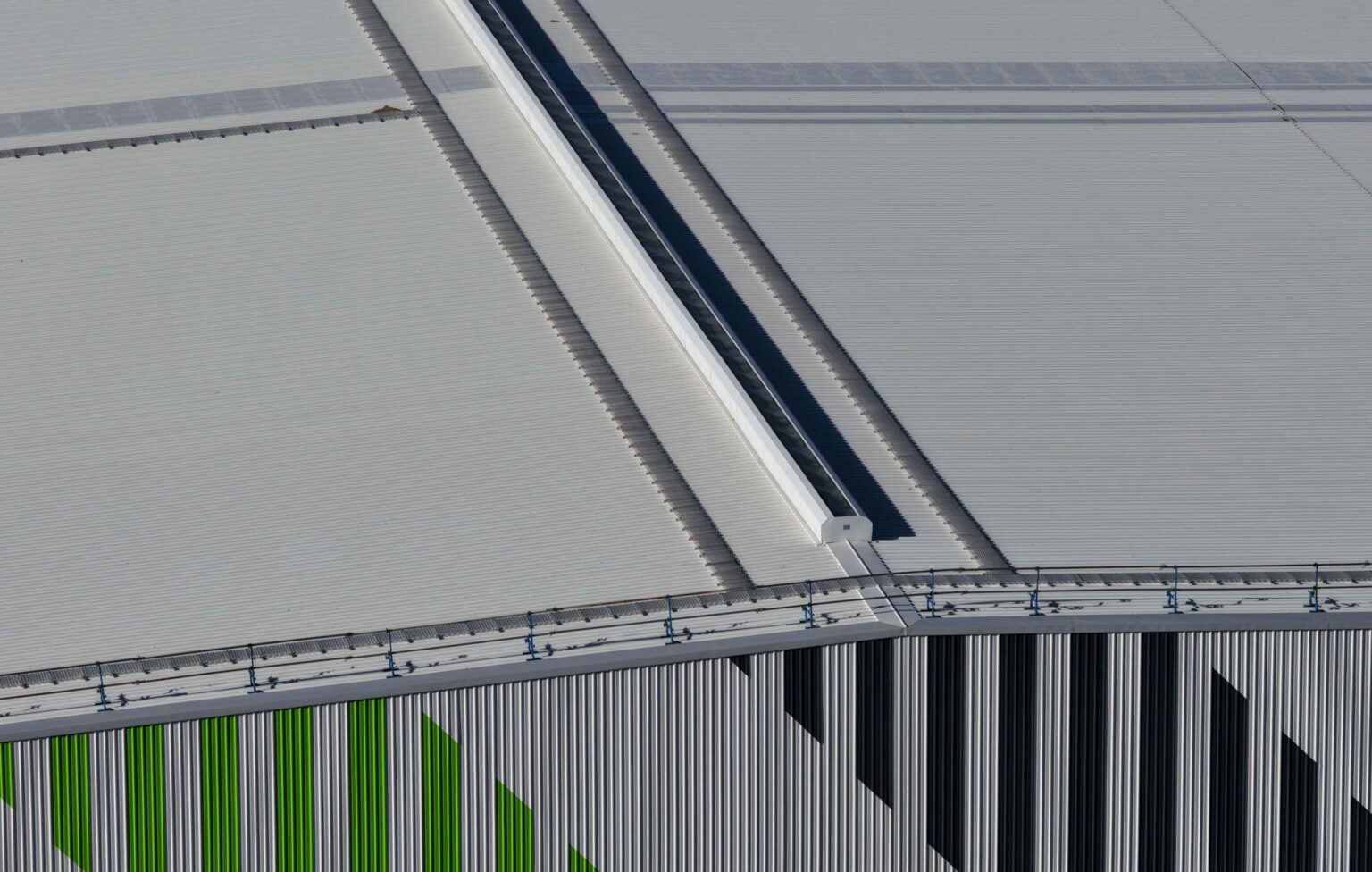
Rain ingress through roof vents isn’t random. It invariably happens when airflow dynamics inside and outside the building are not properly considered during the design phase. One of the most common causes is wind-driven rain combined with suction effects at the vent opening.
When strong winds hit a building, they create zones of positive and negative pressure. If the layout of wall openings encourages airflow to reverse direction and pull downwards through the ridge vent, this can cause a backdraft strong enough to draw water into the building.
It’s important to remember that even vents with physical weather protection can still allow water to ingress if the suction pressure through the roof vents is strong enough.
That’s why leakage is less about the presence of rain, and more about how air moves through the system when rain is present.

Water leakage in roof vents is not inevitable. It happens when vents are not properly engineered for the specific building and site conditions. The problem is rarely the concept of natural ventilation itself. It is usually the way it is executed.
To help designers assess risk early and avoid water ingress, here’s a simple framework you can use:
This approach gives you a clear path to designing roof vents that perform as expected — without needing to over-engineer every project.
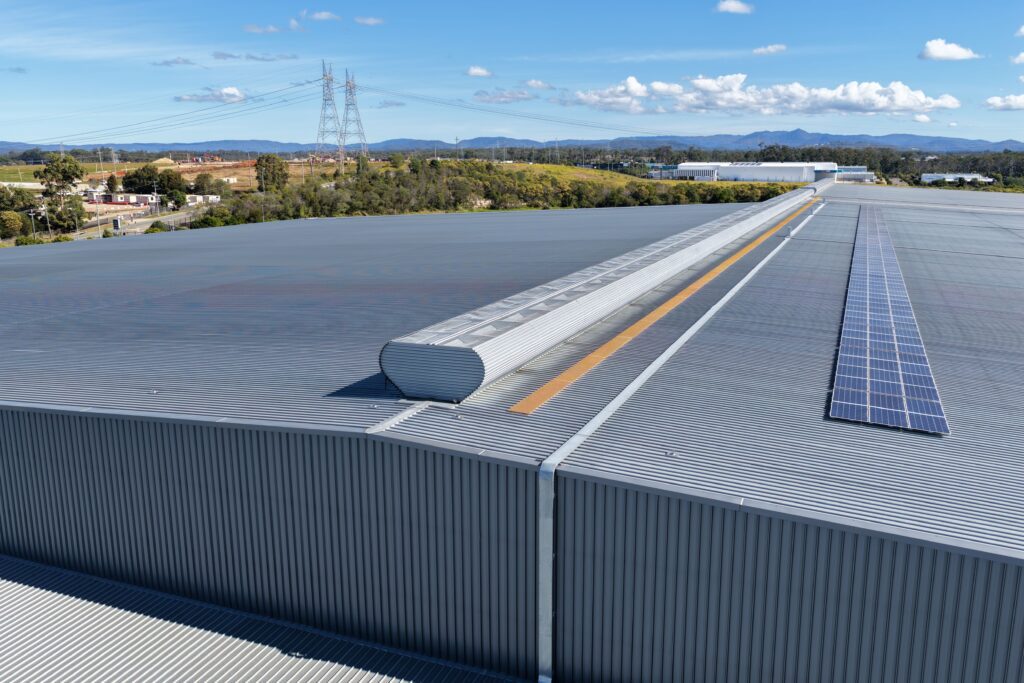
In one recent project, an architect specified our ridge vent for a large commercial building. The system was installed as designed, but once the first few rain events hit, the vent began to mist.
Understandably, the architect was frustrated. From their perspective, they had followed best practice. But now their decision was under scrutiny, and natural ventilation was being blamed.
Our engineers investigated. By reviewing wind rose data from the site, we identified a key issue. Strong prevailing winds were moving from the right side of the building to the left. The large roller doors were positioned on the left side, parrallel in line with this wind path.
As the wind passed over the ridge vent and moved through the building out the roller door, it created a powerful suction effect. That suction was strong enough to draw moisture back in during heavy wind and rain. This was not a product fault. It was a pressure imbalance caused by site-specific airflow dynamics.
Airocle proposed a solution to install wall louvres to counteract the airflow. This would redirect the airflow upward internally, breaking the back drafting effect through the ridge vent and allowing air to exit.
What might seem like a small change had a major impact. The architect acknowledged they were hesitant to ever specify a ridge vent again. But with this fix in place, they could see that it was not the vent itself that failed. It was the design approach that needed refining.
This case shows that engineering insights matter. When you understand how a building interacts with wind and rain, you can fix problems before they start.
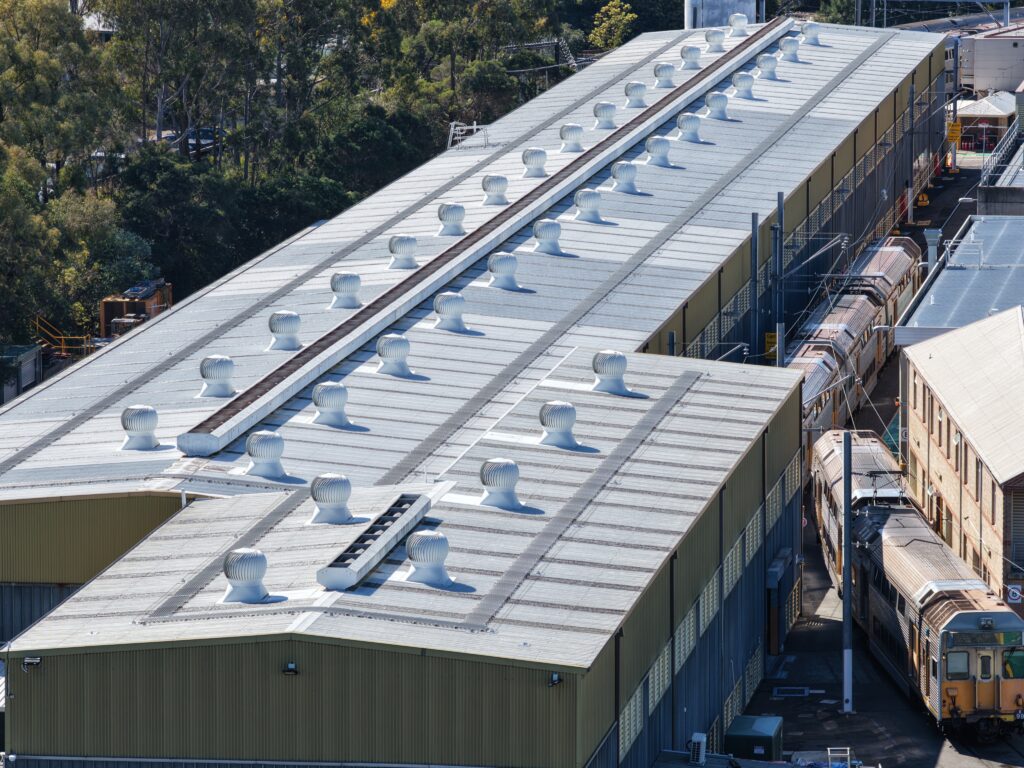
Water ingress can show up in very different ways, but one thing stays the same; it’s rarely a fault of natural ventilation itself. More often, it’s the result of design decisions that didn’t account for airflow or pressure dynamics.
In one case, a split-level building with both low and high bays began to experience water ingress during northerly storms. The shifting internal pressures caused the 5 Series ridge vent to reverse its flow, leading to misting and water entry during wind-driven rain events. The vent wasn’t at fault, it was the airflow created by the unique building layout and storm direction.
At another site, a different issue appeared. Louvres had been installed that were physically larger than the ridge vent opening. This imbalance disrupted the airflow and created a strong backdraft effect, which again resulted in water being pulled into the building. Once the airflow was corrected, the leakage stopped.
We’ve also seen examples where tenant modifications caused problems after the fact. In one instance, shelving was placed directly in front of the louvre openings, blocking airflow and creating turbulence. Without proper clearance, the ventilation system couldn’t perform as designed, and water ingress followed.
These examples show that water ingress isn’t a flaw in natural ventilation — it usually comes down to a few small design choices that are easy to get right once you know what to look for.
Leaks don’t come from using natural ventilation. They come from an oversight in the application of Natural Ventilation best practices. Our one piece of advice is maximise wall openings on the windward face and minimise on the leeward face.
By accounting for wind data and designing vents with the right velocities and vent configurations, you can completely eliminate leakage. That means fewer delays, and far more confidence from architects and clients.
Small changes make a big impact. The right vent in the wrong spot could leak. But with the right insights and the right support, you can deliver high-performance natural ventilation systems that work exactly as intended.
Concerned about leakage on your next project?
Talk to our team about engineered solutions that prevent water ingress and keep your project on track.


Explore how we can help you to improve your building comfort, smoke and fire safety, and green credentials today. We offer natural ventilation and passive smoke hazard management design advice. Call our team to arrange a site assessment
We are ISO certified. Our systems, processes, and procedures meet strict international standards, reassuring you of service excellence, quality, and consistency of our services and products no matter where you are located.