Natural Ventilation for Manufacturing: Keep Workers Cool & Equipment Safe
By late morning, many factory floors become uncomfortably warm. Ceiling fans may be running, but in large industrial spaces they often end up circulating the same warm air rather than removing it.
You’re not alone. Manufacturing buildings are notorious for poor airflow and heat build-up, especially in summer. The stakes are high. If your workers aren’t comfortable, they can’t perform at their best. And if your machinery isn’t kept cool, breakdowns become a matter of when, not if.
The good news? You don’t need to shell out thousands on complex HVAC systems to fix the problem. Natural ventilation, when done right, can cool your space, protect your gear, and cut energy costs.
In this article, you’ll learn how natural ventilation works in manufacturing settings, why it’s often the smarter choice over mechanical systems, and what you need to consider to get it right.
Why Heat is a Hidden Productivity Killer
You might think a hot factory is just uncomfortable, but the reality is, it’s costing you more than you realise.
When temperatures climb, your workers slow down, concentration dips and mistakes creep in. Discomfort increases and complaints consistent with Sick Building Syndrome (SBS) symptoms rise. At a certain point, it’s not just inconvenient. It’s unsafe.
Excess heat increases the risk of dehydration, heatstroke and accidents, especially in physically demanding roles.
And it’s not just about health and safety. It’s about performance.
Studies suggest productivity can drop notably for each degree above ~27°C.
Over the course of a summer, that adds up to lost output, missed targets and frustrated teams.
If your workers are uncomfortable, they’re distracted. And if they’re distracted, they’re not working efficiently. Worse still, they may start looking for cooler, better-equipped places to work.
High heat is more than just a summer nuisance. It’s a silent drain on your bottom line.
Overheating Damages Equipment (and Budgets)
It’s not just your team struggling with the heat, your equipment feels it too. As ambient temperatures rise, machinery becomes less efficient, components overheat, and the risk of unexpected failures increases.
When internal temperatures rise, machinery runs less efficiently. Components overheat; lubrication breaks down faster, and wear and tear accelerates. Sensitive electronics, in particular, can start to fail or glitch when exposed to prolonged heat, especially in enclosed or poorly ventilated areas.
Even the most robust machines have their limits. Motors can trip, compressors can shut down and gantry cranes can overheat. All of this leads to costly downtime, rushed repairs, and in some cases, long-term damage that shortens the life of your assets.
Cooling systems on machines, like built-in fans or heat sinks, can only do so much if the ambient temperature is too high. And if your plant relies on temperature-sensitive processes, your quality control could take a hit too.
Ignoring heat doesn’t just risk a one-off failure. It chips away at your equipment day after day until you’re dealing with frequent breakdowns and ballooning maintenance costs.
What Natural Ventilation Really Is (for Factories)
Natural ventilation is exactly what it sounds like, using the natural movement of air to cool and refresh your building, without relying on fans or air conditioning.
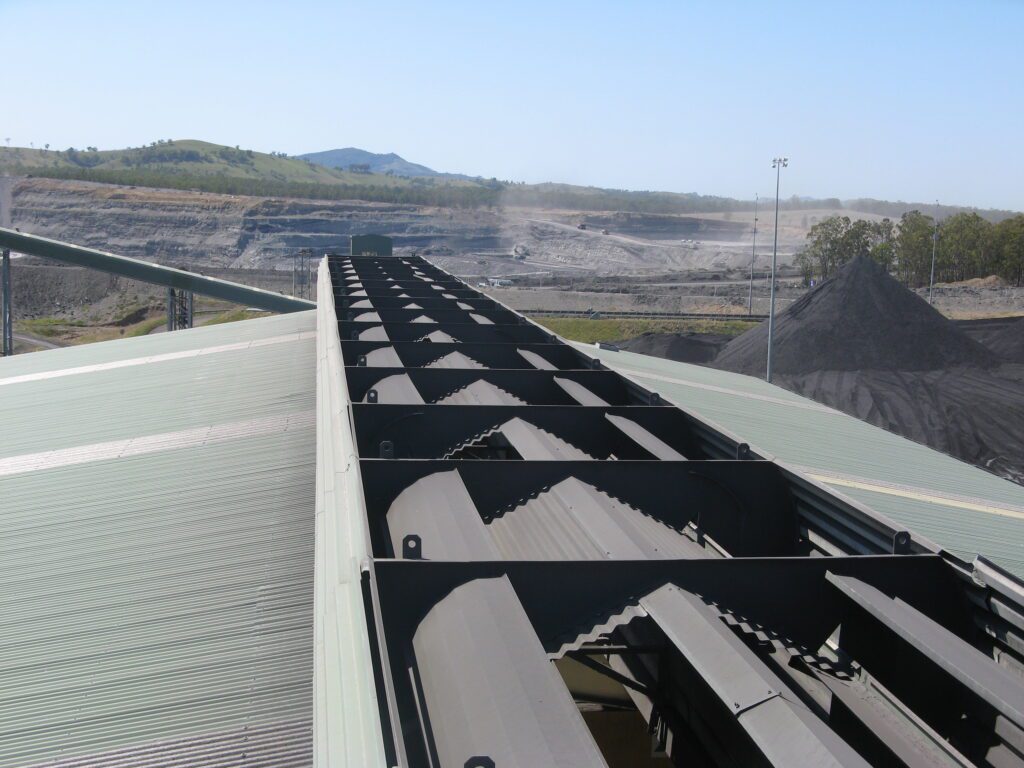
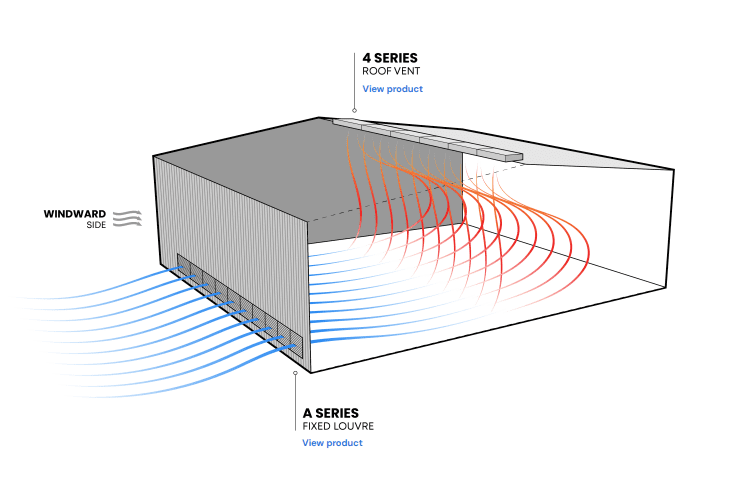
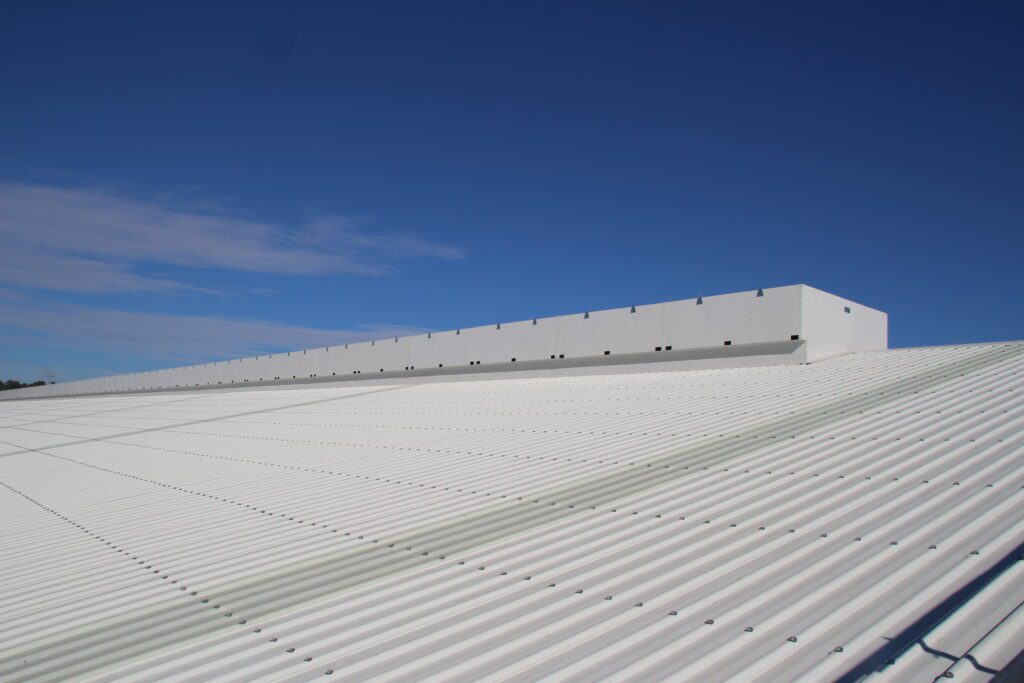
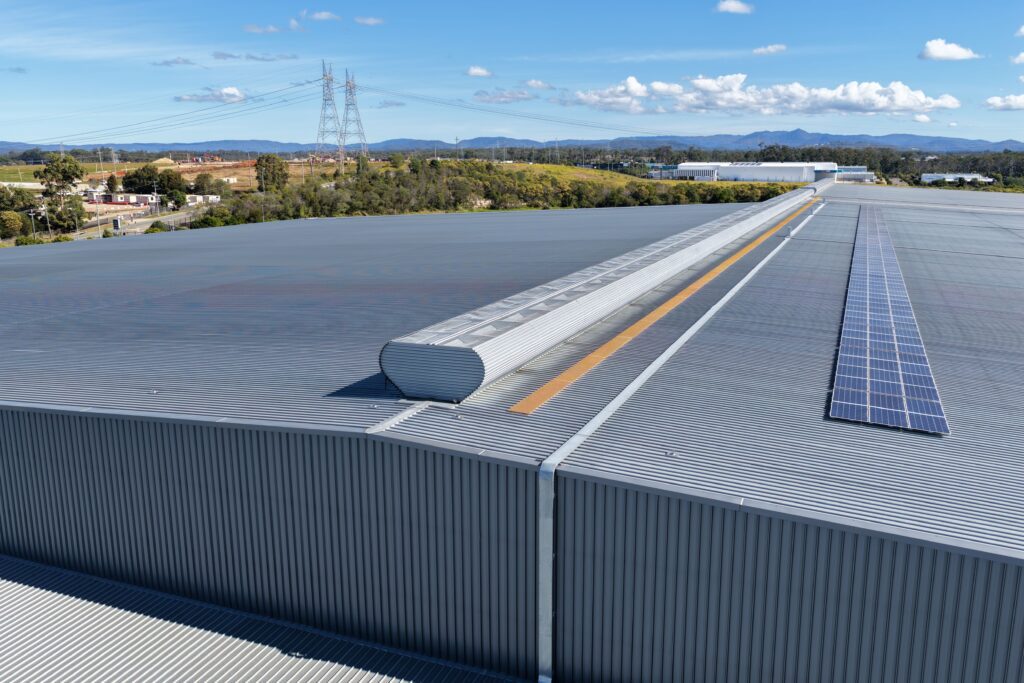
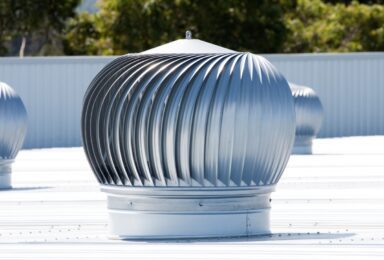
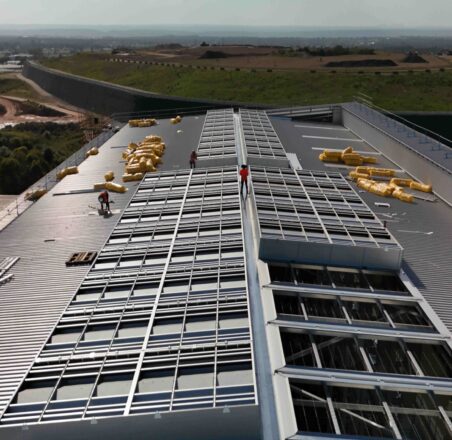
In manufacturing spaces, it usually works by creating pathways for hot air to escape and cooler air to enter. This can be done with high-level roof vents, louvres, or ridge and slope systems that take advantage of the natural rise of warm air. As hot air rises and exits the building, it pulls in cooler air from lower openings, creating a steady flow.
It’s not just about opening a few windows and hoping for a breeze. Properly designed natural ventilation systems are tailored to your building’s shape, layout and heat load. They take into account the way air moves, where heat builds up and how to maintain a consistent flow throughout the day.
This approach can be highly effective in large, open-plan industrial spaces where air tends to stagnate. And because natural ventilation relies on no moving parts, Airocle systems are extremely durable, require minimal servicing and are designed specifically for Australian industrial conditions
Natural ventilation is passive, but not passive in performance. When designed properly, it can outperform mechanical systems that struggle to cope with the demands of a busy factory floor.
How It Works in Manufacturing: Stack & Crossflow
In a manufacturing environment, natural ventilation isn’t just a bonus, it’s a strategic tool that can make a big difference to comfort, safety and efficiency.
It works by using the basic principles of airflow and heat rise. Hot air is lighter than cool air, so it naturally rises. If your building has high-level vents or ridge openings, that hot air has somewhere to go. Once it escapes, cooler air from outside is drawn in through lower-level inlets, like louvres or ground-floor vents. This constant movement creates a natural cycle of fresh air.
This is often referred to as the stack effect. The greater the temperature difference between inside and outside, the stronger the airflow. Wind also plays a role. When it moves across or around your building, it helps pull stale air out and push fresh air in, especially if your ventilation design takes wind direction into account.
In practical terms, this could look like:
- Roof-mounted ventilators to release rising heat
- Wall louvres that draw in cooler external air
- Openings positioned to capture prevailing winds
- Large volume spaces that allow warm air to collect away from workers
It’s not one-size-fits-all. The key is to balance intake and exhaust points so air flows efficiently through the space, rather than just swirling around in one corner. The best systems are passive, low-maintenance and run 24/7 without needing any energy input.
When planned well, natural ventilation becomes part of the building’s design, not an afterthought. And it works day in, day out, keeping your environment more stable, your workers more comfortable and your machinery in better condition.
Natural Ventilation vs Fans: The Benefits
If you’ve relied on fans in the past, you know they can be expensive to run, patchy in performance and a nightmare to maintain. Natural ventilation offers a smarter alternative, especially in manufacturing settings where energy usage and durability really matter.
Here’s why it often comes out on top:
- Lower running costs
Natural ventilation uses zero energy. Once installed, it doesn’t need electricity to function, which means you’re not adding to your power bills; a major win in energy-intensive industries. - Minimal maintenance
No motors, filters or electrical components means fewer parts to fail and no costly service contracts. That alone can save thousands a year in upkeep and emergency repairs. - More even airflow
Mechanical fans often create hot and cold spots, or just circulate warm air. A well-designed natural system pulls heat up and out, and brings in cooler air across the entire floor space. The result is a more consistent internal environment. - Better for long-term use
Natural systems don’t wear out. There’s no risk of breakdowns on the hottest day of the year, and no downtime while waiting for replacement parts. - Environmentally sustainable
If your company is working toward net zero or sustainability goals, natural ventilation helps reduce carbon output while also improving indoor conditions. - Quiet operation
No whirring fans, no humming motors. That’s a welcome change in already noisy manufacturing environments.
Natural ventilation won’t suit every single building, but when the design is right, the benefits speak for themselves. It’s a long-term, low-hassle solution that pays off over time, without the headaches of mechanical systems.
Common Objections (and the Real Fixes)
It’s normal to be sceptical. If you’ve tried opening a few windows in the past and nothing changed, you might be thinking, “Natural ventilation won’t work here.” But most objections come down to one thing, poor design or assumptions, not the concept itself.
- “Our building is too big for natural ventilation.”
The size of your building actually works in your favour. Large internal volumes create more room for heat to rise and escape. With the right placement of vents and inlets, airflow can scale up naturally, even in massive spaces. - “We don’t get much wind here.”
Natural ventilation isn’t only about wind. The stack effect (the natural rise of warm air) does most of the heavy lifting. That means your system can still work effectively on calm days, especially with high and low-level openings positioned correctly. - “What about when it rains?”
Airocle ventilators are engineered for Australian weather, including strong wind, heavy rain and cyclone conditions. Their design allows airflow while preventing water ingress.
- “It gets too cold in winter.”
A good natural ventilation system can be designed with controllable openings, allowing you to regulate airflow depending on the season. In colder months, you can reduce or shut off certain inlets to retain warmth while still allowing stale air to escape. - “We’ve tried fans and they didn’t help, so this won’t either.”
Fans and passive ventilation are two different things. Fans move air around; natural ventilation removes heat entirely. Instead of pushing warm air from one side of the room to the other, it gives it a way out permanently. - “We’re not sure how it would even be installed.”
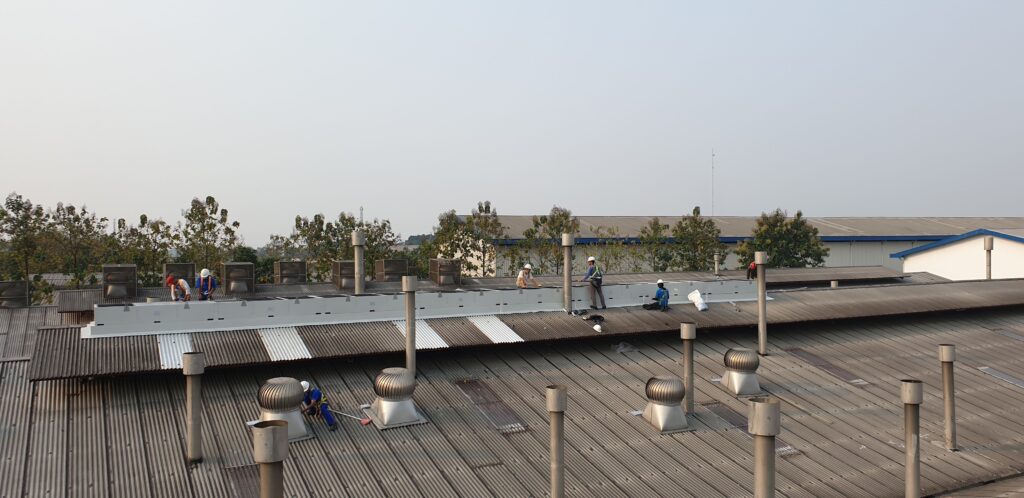
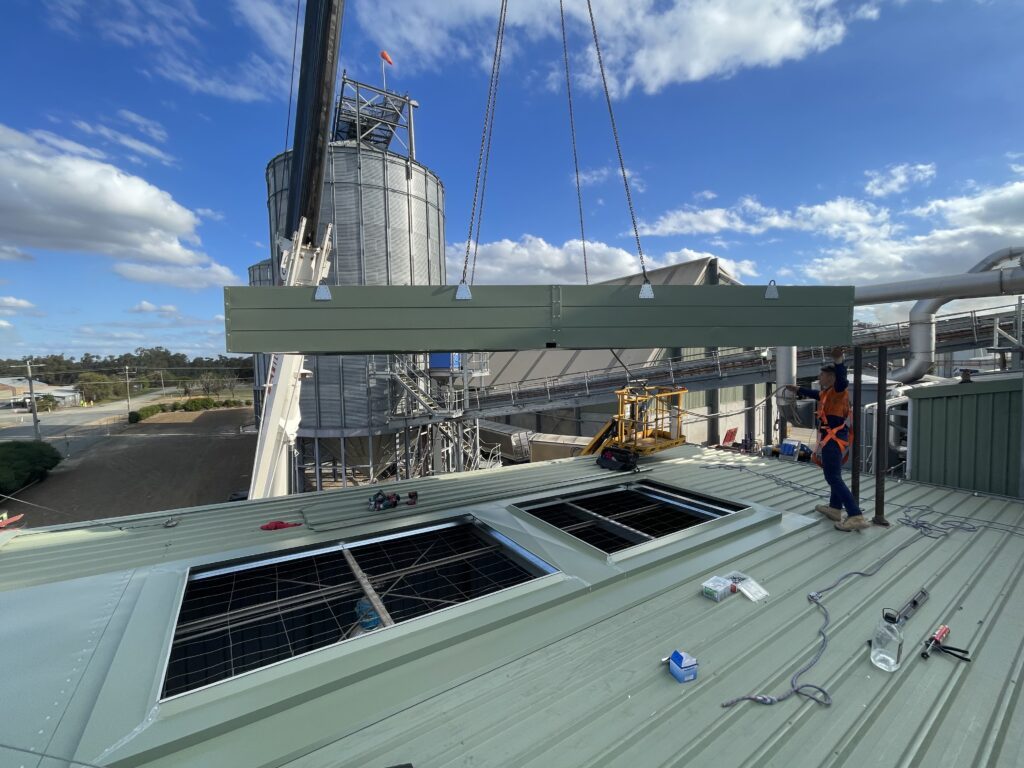
Installation won’t disrupt your operations. Because the system is installed externally, typically on the roof or sides of the building, there’s no interference with internal workflows, machinery or production lines. You stay fully operational while the work takes place. The process starts with a site assessment to understand your airflow, heat load, and layout, so the system can be designed around your needs.
The key takeaway is this: natural ventilation works when it’s designed to suit your specific space and needs. It’s not about doing what looks good on paper. It’s about making your environment safer, cooler, and more efficient in real life.
Real‑Life Results: Case Study – BlueScope Steel Port Kembla
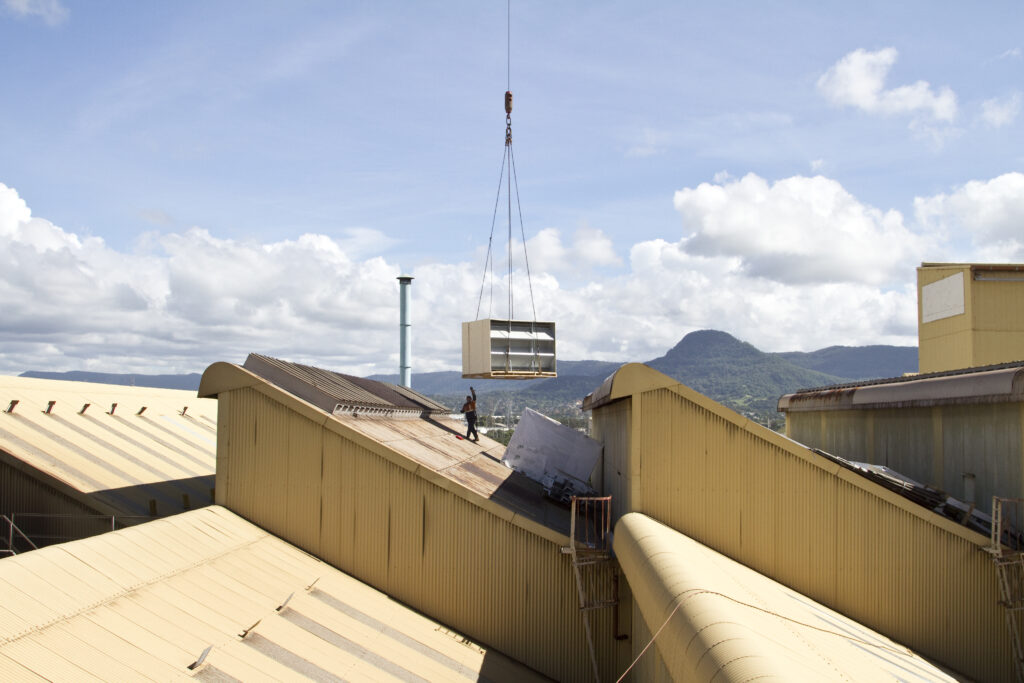
In a striking example of success, BlueScope Steel’s Port Kembla facility faced serious heat challenges after upgrades to their metal‑coating lines. Internal temperatures in some zones were exceeding safe operating limits, in certain cases over 70 °C, which was well beyond the recommended range (<55 °C) for key equipment.
One critical issue: overhead cranes that rely on laser‑positioning systems were malfunctioning because of the high ambient heat.
To tackle this, Airocle designed and installed a custom passive ventilation system tailored to the space. The system included the 4 Series, rooftop vents to expel rising hot air, and fixed wall louvres to draw cooler external air in, all without moving parts or ongoing energy input.
The results were measurable and significant:
- Temperatures dropped from over 70 °C down to a controlled maximum of 53 °C, with an average of 32 °C, placing the environment back within optimal operating conditions.
- The crane systems regained full functionality and reliable operation, improving material‑handling workflows.
- Equipment performance and process efficiency improved thanks to better thermal regulation.
- The solution proved energy‑efficient and low‑maintenance, a long‑term fix rather than a stop‑gap measure.
Because the system was passive and externally installed, production lines remained fully operational during installation. In other words, the work did not interrupt internal workflows or stop the plant.
What to Check Before You Switch (Checklist)
Natural ventilation works, but only when it’s tailored to your specific environment. Before diving in, there are a few key things to think about to make sure you get the results you’re after.
- Understand your heat sources
Where does the heat build-up in your space? Is it coming from machinery, solar gain through the roof, or process-related activity? Knowing this helps determine where ventilation is needed most. - Assess your building layout
The shape and size of your facility will impact how air moves through it. High ceilings, long corridors, or split-level spaces all affect airflow patterns. A proper site assessment can identify how to place vents and louvres for maximum effect. - Look at your roof design
The type of roof you have (pitched, flat, curved) will affect how easily hot air can rise and escape. Some systems work best with ridge vents, others with rotary or roof-mounted ventilators. The key is matching the system to your structure. - Consider climate and wind direction
While the stack effect works without wind, local climate and prevailing winds can enhance performance. Understanding how outdoor conditions interact with your building will help you design a more effective system. - Think about control and flexibility
Some natural ventilation systems include adjustable components like operable louvres or dampers. This gives you more control, especially in seasonal climates where you may want to retain heat in winter. - Plan for compliance and safety
Any changes to your building envelope need to meet local codes and regulations. A good supplier will handle this for you, but its worth making sure ventilation doesn’t interfere with fire safety systems or weatherproofing. - Choose the right partner
Installation quality matters. Look for a provider with experience in manufacturing environments, so they understand the balance between performance, safety, and minimal disruption. And ideally, one who offers a full consultation, design and installation service.
Ventilation upgrades must also consider National Construction Code (NCC) requirements and WHS indoor air-quality expectations to ensure the system remains safe, compliant, and suitable for industrial environments.
Real Results Come from Site-Specific Design
Of course we back natural ventilation every time. We’ve seen firsthand the difference it makes in high heat industrial spaces. It solves the problem at the source, without the unnecessary cost, complexity or downtime that often comes with mechanical systems.
The best part is you’re quite literally using nature. The air movement and temperature differences already happening around your building are used to control heat in a smart, efficient way. And when it’s designed properly, it works. Simple as that.
But you don’t need to figure this out on your own!
Speak with an Airocle engineer for a free, site-specific ventilation assessment. We’ll review your building layout, heat loads and workflow, and design an Australian-made, energy-free solution tailored to your manufacturing environment.
No guesswork. No generic solutions. Just practical advice that’s built around your needs.