Natural Ventilation for Agriculture Fire Safety
Fire Safety in Agriculture: How Natural Ventilation Protects Farms from Fire RisksÂ
You’ve likely seen the headlines. A devastating fire tore through a pig farm in South Australia, killing more than 2,000 pigs in a matter of minutes. The fire moved fast. The barn was destroyed. And while emergency services responded, it was already too late. Initial reports point to an electrical fault, something seemingly minor, with catastrophic consequences.Â
It’s a sobering reminder.
Because if you run or manage a farm, you’ve probably asked yourself:
“Could that happen here?”Â
Farms are high-risk environments; sheds packed with hay or feed, heavy machinery and animal housing. Remote locations where help can take time to arrive. It doesn’t take much: a spark, a fault, a lapse in maintenance, and suddenly, lives, livelihoods and years of hard work are gone.Â
The harsh truth is that most agricultural fires are preventable. But only if the right systems, processes, and checks are in place.Â
At Airocle, we work with farms and rural operations across Australia, and we understand both the practical realities of farming and the compliance obligations that come with it.
This guide has been created to help you understand your fire risks, your responsibilities, and what you can do to protect your people, animals, and assets.Â
In this article, you’ll learn:Â
- Why Fire Safety Matters in AgricultureÂ
- Fire-Ready Natural Ventilation Solutions for AgricultureÂ
- How Natural Ventilation Helps Prevent Fire SpreadÂ
- A Smarter Way Forward for Agricultural DesignÂ
Why Fire Safety in Agriculture MattersÂ
Farming operations face a unique set of fire risks that are often underestimated or overlooked. Unlike urban or industrial environments, farms bring together a combination of factors that make them especially vulnerable to ignition and extremely difficult to protect once a fire starts.Â
Some of the most common fire hazards on farms include:Â
- Dry vegetation and combustible materials such as hay or strawÂ
- Fuel storage and flammable chemicalsÂ
- Heavy electrical machinery and equipmentÂ
- Confined animal housing with minimal airflowÂ
Many farms are also located in remote or semi-remote areas. This means longer emergency response times, which allows even small fires to escalate quickly and cause widespread damage.Â
The Impact of Farm FiresÂ
Fires on farms do not just damage buildings.
They can destroy:Â
- Livestock and animal housingÂ
- Machinery and vehiclesÂ
- Crops and produceÂ
- Infrastructure and fencingÂ
- Years of investment and hard workÂ
Recovery is rarely quick or easy. Financial losses can be significant. Emotional tolls can be long-lasting, especially when animals or workers are injured or lost.Â
Most Fires Are PreventableÂ
In recent years, many agricultural fires have been linked to preventable causes, including:Â
- Faulty electrical wiringÂ
- Overheating equipmentÂ
- Poorly stored or damp hayÂ
- Lack of maintenance on fire safety systemsÂ
In nearly every case, simple safety measures and early action could have made a major difference.Â
Legal Responsibilities on the FarmÂ
Australian fire safety standards and workplace health and safety laws require farms to take fire risks seriously. This includes:Â
- Identifying hazardsÂ
- Putting controls in placeÂ
- Maintaining equipmentÂ
- Ensuring staff are trainedÂ
Failure to meet these requirements can result in legal penalties, fines or loss of insurance coverage — no matter the size of your operation.Â
Fire safety is not just about meeting regulations. It is about protecting your people, your animals, and your livelihood.Â
A single fire can undo years of hard work in minutes. Investing in prevention and planning is not optional. Fire safety in agriculture is essential.Â
Fire-Ready Natural Ventilation Solutions for AgricultureÂ
Every agricultural site is different. Whether you are managing livestock housing, machinery sheds, or feed and chemical storage, ventilation and fire safety need to work together — not compete.Â
That’s why Airocle offers two natural ventilation options to suit different types of buildings and fire strategies on the farm.Â
Dedicated Smoke and Heat Exhaust SystemsÂ
Our 7 Series and 8 Series vents are designed to activate only during a fire. These systems remain closed during day-to-day operations but automatically open when a fire is detected. They can be connected to a fire panel or Building Management System (BMS) for seamless integration into your overall fire response plan.Â
This type of system is ideal for enclosed structures such as:Â
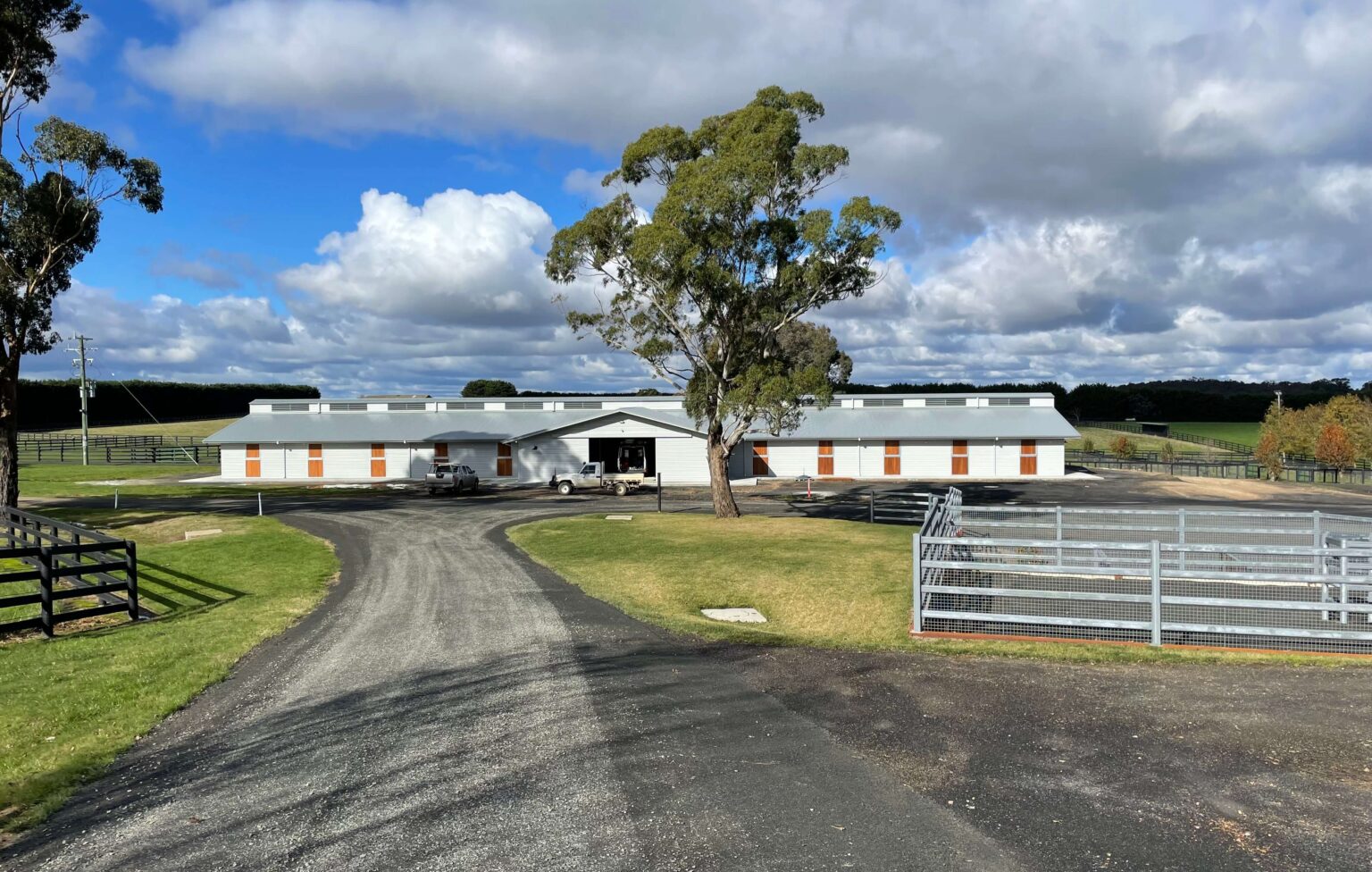
- Intensive animal housing (e.g. piggeries, poultry sheds)Â
- Feed and fertiliser storesÂ
- Machinery sheds where daily airflow is not requiredÂ
Because they operate without power, they remain functional even during a fire-related power outage, a critical advantage in rural areas where response times may be delayed.Â
Dual-Purpose Natural Ventilation SystemsÂ
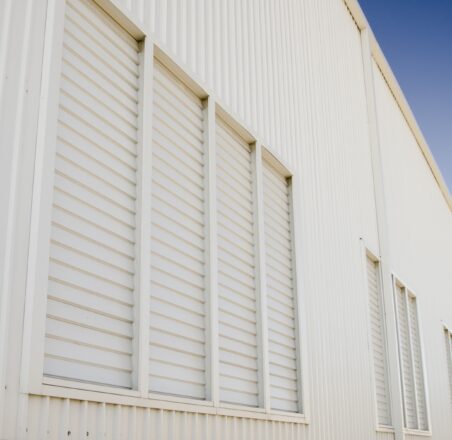
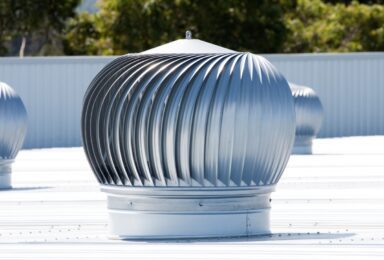
For agricultural spaces that require constant airflow, Airocle’s 1 – 6 Series Roof Vents and A – H wall louvres, offer passive natural ventilation every day and automatic smoke control during a fire event. These systems are roof and wall-mounted and meet AS/NZS 1668 requirements for fire compliance.Â
They are an ideal fit for:Â
- Animal shelters where air quality and temperature control are needed year-roundÂ
- Large machinery sheds that build up heatÂ
- Crop or produce storage where ventilation reduces spoilageÂ
- Food processing facilities Â
- High volume working facilities Â
These dual-purpose systems provide natural cooling and ventilation while also functioning as part of your fire protection strategy, reducing risk without additional moving parts or complex infrastructure.Â
These systems are already used across agricultural and industrial settings to meet fire safety requirements while supporting natural ventilation strategies. You can learn more about how these systems are built for fire conditions in this article on fire-rated louvres and vents.Â
Case Study: Natural Ventilation in Action at Katunga FreshÂ
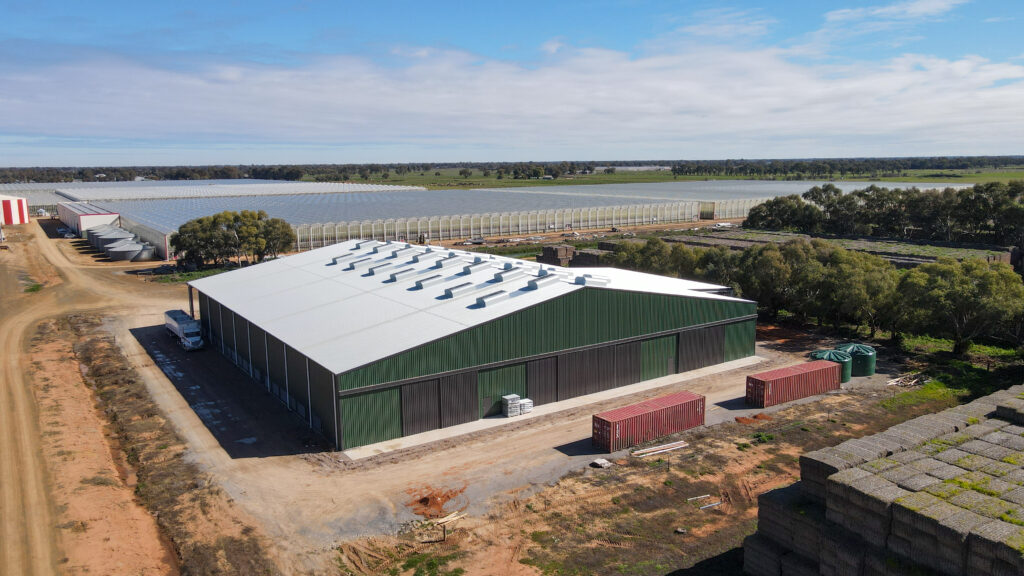
A strong example of dual-purpose natural ventilation in agriculture is Katunga Fresh, one of Victoria’s largest hydroponic tomato producers. When the team expanded with a new processing facility, the goal was clear — create a modern, energy-efficient space that protected both people and produce while meeting strict fire and smoke ventilation standards.Â
The ChallengeÂ
The facility needed to do more than ventilate.
It had to:Â
- Comply with AS 1668 by providing natural smoke venting equal to 1.5 percent of the floor areaÂ
- Deliver consistent airflow for workers and heat-producing equipmentÂ
- Avoid reliance on mechanical systems or complex infrastructureÂ
- Remain low maintenance and cost effectiveÂ
The SolutionÂ
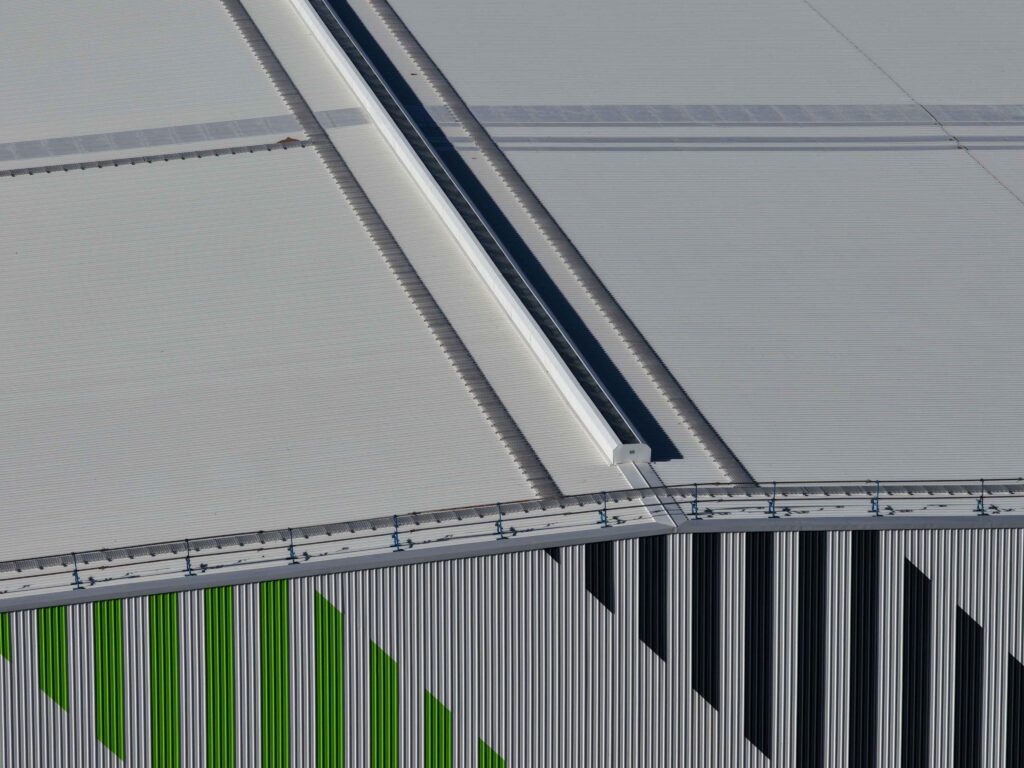
Working with Steelcorp, Airocle supplied and installed our 1 Series roof vent system, providing a complete natural ventilation strategy that supports daily operations and fire safety compliance.Â
Key outcomes included:Â
- Dual function performance: The vents deliver continuous passive airflow while doubling as smoke relief openings during fire eventsÂ
- Code-compliant sizing: Vent area was calculated to meet the 1.5 percent requirement under AS 1668, with no over-engineeringÂ
- No power required: The system runs passively using wind and thermal movement, with no filters or fansÂ
- Built for agriculture: Durable, low-maintenance construction suited to harsh environmentsÂ
The ResultÂ
Katunga Fresh now operates a facility that stays cool, compliant and low maintenance — with a fire ventilation system designed to work the moment it is needed, without power or manual activation.Â
This project shows how natural ventilation systems can meet the complex needs of agricultural sites while supporting safe, efficient, and code-compliant design.Â
How Natural Ventilation Helps Prevent Fire SpreadÂ
Natural airflow does more than support smoke extraction during a fire. Natural ventilation also plays a key role in reducing the risk of ignition in the first place.Â
By continuously removing heat and moisture from agricultural buildings, natural ventilation lowers the internal temperature and prevents the buildup of flammable gases or vapours. This is especially important in sheds housing hay, fuel, fertilisers or machinery, where poor ventilation can create ideal conditions for spontaneous combustion or electrical faults to escalate.Â
In many cases, improving airflow is one of the simplest and most effective steps farms can take toward fire resilience.Â
A Smarter Way Forward for Agricultural DesignÂ
In agricultural design, fire safety and ventilation are often treated as separate challenges. But they do not need to be. With the right natural ventilation system, you can address both, improving airflow and compliance while strengthening your building’s ability to respond in the event of a fire.Â
Airocle’s fire-rated natural ventilation systems are built with this in mind. Whether you need a dedicated solution like the 8 Series for high-risk structures or a dual-purpose system that provides daily airflow and smoke relief, we offer options that suit the realities of rural and agricultural operations.Â
Natural ventilation does more than reduce energy costs. It creates safer and healthier environments for people, animals, and assets. Natural ventilation works without power and when designed properly, it meets the performance requirements of AS/NZS 1668 for smoke control, including the minimum 1.5 percent openable area of floor space.Â
If you are planning a new agricultural facility or upgrading an existing one, it is time to rethink how natural ventilation fits into your fire safety strategy.Â
Ready to make your agricultural project safer and more efficient?
Contact our team to learn more about our fire-rated natural ventilation systems or request a product recommendation for your site.Â