Distribution Centre Ventilation
As a distribution centre manager, you are under pressure to maintain safe conditions, control energy usage, and protect valuable stock. Ventilation mistakes cost facilities like yours thousands each year in energy inefficiencies, damage to goods, and avoidable safety incidents.
The right approach can bring your energy bills down, protect stock from damage, and create a safer workplace for staff with better indoor air quality. It can be the foundation of a well-run centre where operations are reliable and easier to manage day after day.
This guide will help you make smarter choices. You will find what you need to know about natural, mechanical, and hybrid ventilation systems, and how each can be best applied in a distribution centre environment.
Why Distribution Centres Need Specialised Ventilation Solutions
Ventilation in distribution centres comes with its own distinct challenges. Large open spaces, vehicle emissions at loading docks, and heat from equipment all make optimal air quality difficult to achieve. Add in the differing storage needs of goods, and the risks quickly rise.
In such an environment, poor air quality from a lack of ventilation can prove costly. Mould damages stock, condensation ruins electronics, pharmaceuticals and perishables degrade, and staff health comes under threat.
Each facility has specific requirements that call for a bespoke solution. A specialised ventilation system protects stock, safeguards people, and keeps your centre running at its best.
The Hidden Costs of Mechanical-Only Ventilation Systems
Mechanical ventilation systems are designed to pull in fresh air and push out stale air. In theory, they should keep conditions balanced. In practice, the reality for many distribution centres is quite different.
While mechanical ventilation and air-conditioning systems can manage temperature, they are often energy-intensive in large-volume spaces and may not always control humidity effectively. This can lead to condensation, higher running costs, and increased strain on equipment. Mechanical systems also rely on moving parts that require regular servicing, adding complexity and long-term maintenance costs.
For a facilities manager, these issues may create constant worry. Energy bills are high, servicing eats into budgets, and every breakdown threatens day-to-day operations.
Despite these expenses, mechanical systems can still struggle to prevent humidity-related problems. In these systems, electronics corrode, inventory degrades, and staff are forced to work in uncomfortable conditions. It is a cycle of cost and stress that does little to protect your people or your stock.
At Airocle, we believe proper ventilation should never come with additional energy costs or unexpected concerns. That’s why our natural ventilation products are customisable for any type of warehouse ventilation, including those needed for distribution centres.
Ventilation design in distribution centres must also consider compliance with the National Construction Code (NCC), WHS air-quality expectations, and fire or smoke management requirements to ensure the facility meets all safety standards.
How Natural Ventilation Works in Distribution Centres
Natural ventilation offers a way out of the mechanical cycle of high costs and constant maintenance. By using simple airflow principles, natural ventilation reduces pressure on budgets and daily operations.
The system’s stack effect allows warm air to rise and escape through high-level openings while cooler air is drawn in at ground level. Cross-ventilation also assists by moving fresh air across large spaces, creating consistent airflow without the need for powered systems.
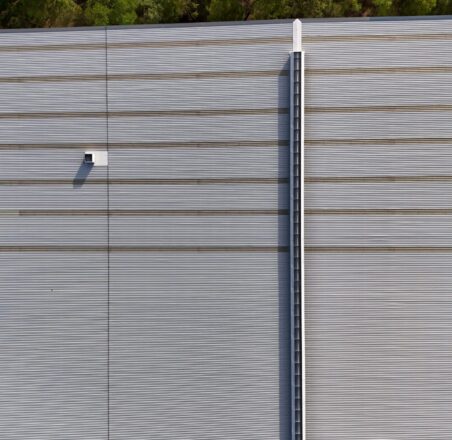
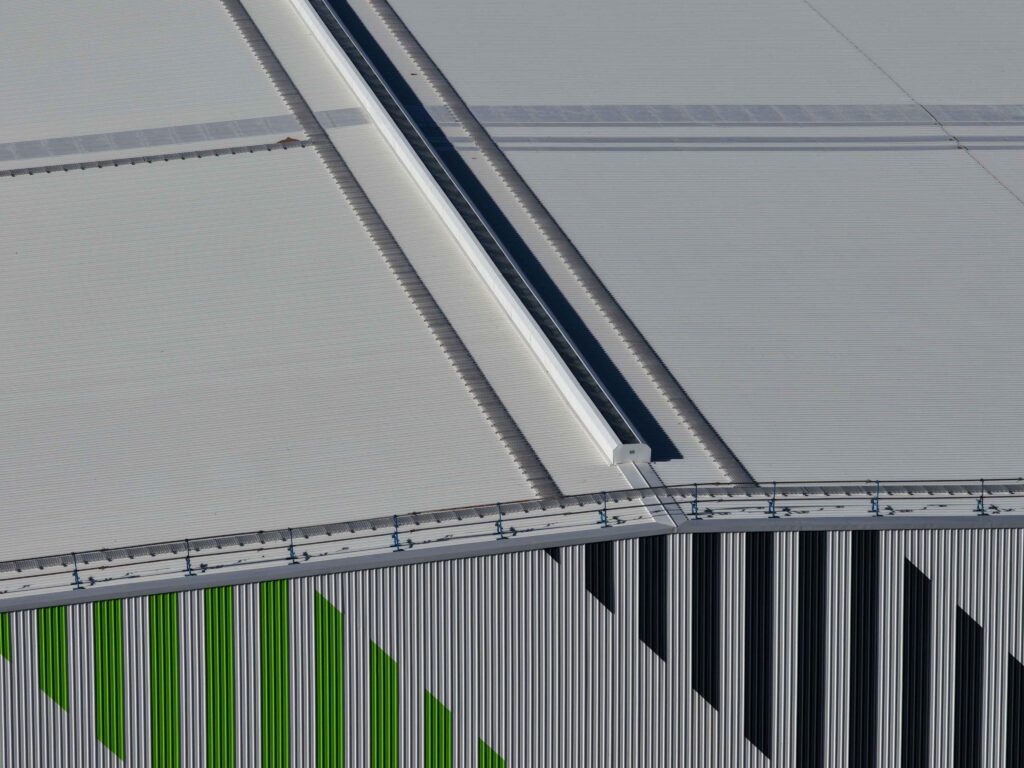
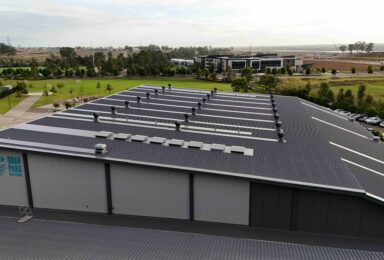
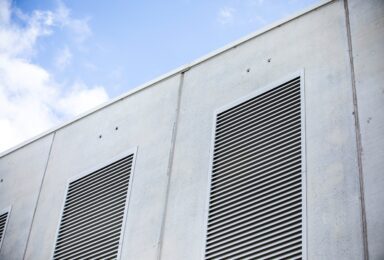
With the right combination of roof vents, louvres, and ridge ventilators, distribution centres can move large volumes of air naturally.
Natural ventilation is a practical, low-maintenance solution that improves internal conditions while keeping long-term costs low. Airocle’s Australian-made systems contain no moving parts, require minimal servicing, and are engineered for local wind, rain, and cyclone conditions.
Hybrid Systems: Combining Natural and Mechanical Ventilation
A well-designed natural ventilation system can deliver consistent airflow with minimal maintenance and for many warehouses and industrial facilities, that’s all that’s needed to maintain safe temperatures and good air quality.
While many distribution centres can rely on natural ventilation alone, some areas have specific requirements, such as welding bays, fume-generating work zones, or cold seasons with reduced thermal buoyancy — where short bursts of mechanical assistance improve safety and airflow.
Cold winter months reduce thermal buoyancy, or specific tasks such as welding create fumes that require stronger, more controlled extraction.
This is where Airocle’s hybrid solution comes in.
Airocle’s 5 Series roof ventilators can be fitted with an optional mechanical booster fan, allowing the system to switch from passive natural ventilation to powered extraction only when required. This hybrid approach enhances airflow during low-buoyancy periods while keeping energy use minimal by having fans operate selectively rather than continuously.
This hybrid setup gives you the best of both systems:
-
Natural ventilation for everyday airflow
-
Mechanical assistance when additional extraction is needed (e.g. welding bays, high-fume workstations)
The result is stronger, more reliable air movement, safer working conditions, and importantly — lower energy consumption, since you only use power when you need the boost.
Benefits of Natural Ventilation in a Distribution Centre
For facilities managers, natural ventilation’s use of passive air circulation often equates to significant savings. Lower utility bills are immediate, while reduced servicing provides long-term cost efficiencies. With fewer moving parts, natural systems also minimise the risk of sudden and expensive breakdowns that bring business to a halt.
Finally, return on investment is a critical factor. Many distribution centres recover their upfront costs in three to five years, depending on facility size, climate, and the previous system. After that, savings continue to accumulate. For these reasons, investing in natural ventilation tends to be a sound strategic business decision.
Ultimately, the benefits of using natural ventilation systems include:
✔️Reduced energy consumption as mechanical cooling loads are reduced
✔️Lower maintenance due to fewer moving parts
✔️Improved air quality for staff and stored goods
How To Design A Distribution Centre Ventilation System
Designing ventilation for a distribution centre means looking at every factor that affects air quality and performance. The wrong approach creates discomfort for staff and increases the risk of damaged stock.
However, with careful planning, both can be avoided.
While designs should always be customised to individual centres, the main design considerations follow that of typical warehouse ventilation system.
This includes considerations of:
- Building size and ceiling height, which affect air volume and movement at different levels
- Occupancy levels, which influence oxygen needs, heat build-up, and fresh air needs
- Equipment heat load, with forklifts and conveyors generating heat that needs to be removed
- Vehicle emissions, especially from loading docks, which require safe extraction
Additionally inventory considerations vary between distribution focuses, but may include:
- Electronics, which require protection from condensation
- Pharmaceuticals, which need strict humidity and temperature control
- Food products, which demand freshness and mould prevention
- Textiles, which must be shielded from moisture and dust
Effective airflow patterns should be planned for each zone, from storage aisles to loading docks. This enables the system to handle hot spots, stagnant air, and condensation before they become a problem.
Getting all the details right during the design phase is critical. An expert consultation will ensure your system meets the specific needs of your facility and is set up for long-term performance.
Take the Next Step Towards Better Distribution Centre Ventilation
The right ventilation system can transform your distribution centre and simplify your daily operations.
Picture a workplace where the air moves cleanly, staff stay comfortable, and every pallet of stock leaves in the same pristine condition it arrived in. Simultaneously, reduced energy and servicing bills mean operating costs stay under control.
For more than four decades, Airocle has helped facilities managers achieve this balance.
Our proven, energy-efficient systems take away the uncertainty and deliver lasting results.
Book a free expert consultation today and discover how Airocle can help your centre perform like never before.
Frequently Asked Questions
How does natural ventilation improve air quality in distribution centres?
Natural ventilation creates continuous airflow that removes dust, fumes, and stagnant air from large spaces. This ensures staff breathe cleaner air, while also protecting stock from moisture and contaminant build-up.
Can natural ventilation systems handle Australia’s extreme weather?
Yes, systems are designed specifically for Australian conditions, including hot summers and variable climates. With the right design, natural ventilation works year-round, stabilising indoor conditions and maintaining safe air quality.
What’s the difference between warehouse and distribution centre ventilation needs?
Warehouses often store goods in relatively stable conditions, while centres deal with higher vehicle emissions and varied inventory. This means distribution centres need more sophisticated ventilation strategies to balance air quality, efficiency, and protection of inventory.
How quickly do natural ventilation systems pay for themselves?
Many systems pay for themselves within three to five years, mostly due to energy savings and lower maintenance costs. Payback periods will vary depending on facility size, climate, and existing mechanical system use. After the initial investment is recouped, savings continue to accumulate year after year.
Do I need planning permits for natural ventilation upgrades?
Some modifications to commercial buildings may require permits, depending on the scope of work. It is always best to use a professional installation service during the design phase to confirm any permit requirements and ensure compliance.